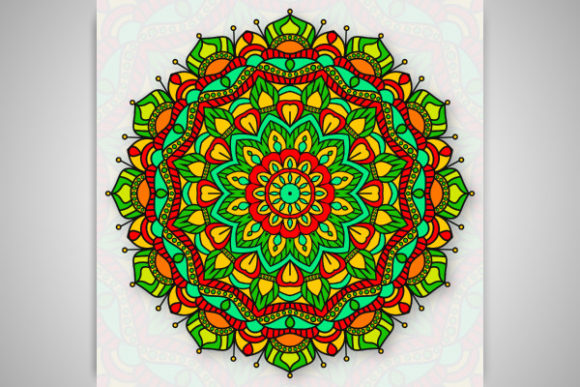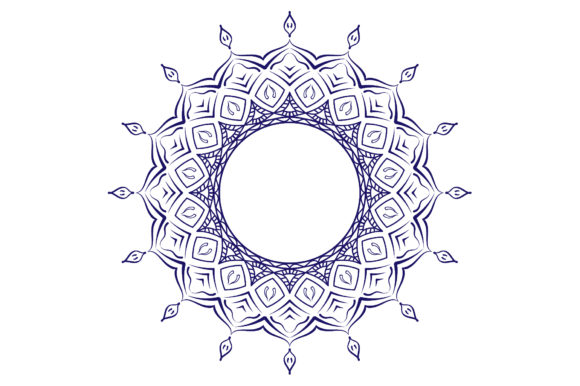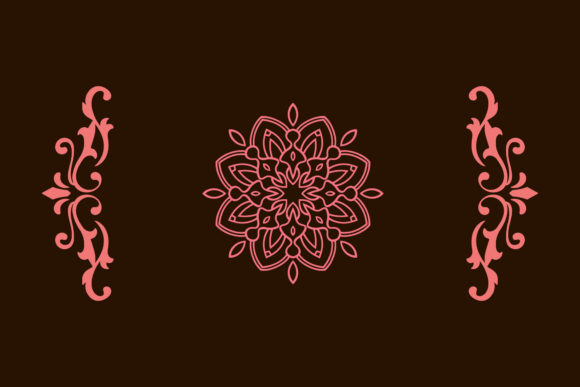
Mandala Ornamental Decorative Tattoo Art
In the vast landscape of visual expression, few designs command as much attention and reverence as Mandala Ornamental Decorative Tattoo Art. For decades, these intricate patterns have transcended their spiritual origins to become a staple in modern body art, home decor, and digital design. Whether you are an artist looking for high-quality assets or a tattoo enthusiast seeking inspiration, understanding the depth and versatility of mandala art is essential. This guide explores what makes this style so enduring, how it addresses specific creative challenges, and how you can leverage professional-grade files to bring your vision to life.
Understanding the Essence of Mandala Ornamental Design
At its core, Mandala Ornamental Decorative Tattoo Art represents a harmonious blend of geometry, symmetry, and flow. The word "mandala" originates from Sanskrit, meaning "circle," symbolizing wholeness, unity, and the cosmos. In the context of tattoos and decorative arts, these designs are characterized by complex radial symmetry that draws the eye inward, creating a sense of balance and meditation. Unlike chaotic or random patterns, mandalas require precision and intentionality in every line and curve.
For adults interested in personal expression or professional design work, the appeal lies in the duality of the form: it is both rigidly structured and fluidly organic. The ornamental aspect adds layers of detail—floral motifs, geometric shapes, and delicate filigree—that elevate the piece from a simple pattern to a statement of identity. When applied to skin, these designs offer a unique canvas where the curvature of the body enhances the circular nature of the artwork, creating a dynamic interaction between the human form and the graphic element.
Navigating Challenges in Digital Design and Customization
Many individuals and professionals face significant hurdles when trying to incorporate mandala art into their projects. One of the most common challenges is the lack of flexibility in existing resources. Often, designers find themselves stuck with low-resolution images that pixelate when enlarged or vector files that are difficult to edit due to complex grouping and locked paths. If you are attempting to scale a design for a large-scale print, a custom tattoo stencil, or a website banner, standard raster images simply do not suffice.
Another frequent pain point is file compatibility. Different software platforms require specific formats. A designer using Adobe Illustrator might struggle if they only receive a JPEG, while a user working with laser cutters or vinyl plotters needs precise vector data like DXF or SVG. Without the right tools, the creative process becomes a bottleneck rather than a flow. The goal is to achieve a seamless workflow where the design can be adapted to various mediums without losing quality or requiring hours of tracing and reconstruction.
Solutions Through High-Quality Digital Assets
This is where access to comprehensive Mandala Ornamental Decorative Tattoo Art packages transforms the experience. By securing a complete suite of digital files, users gain the freedom to manipulate, resize, and integrate the art into any project effortlessly. A premium collection typically includes six distinct file types, each serving a specific purpose in the creation process:
- AI (Adobe Illustrator) and EPS Files: These are the gold standards for professional editing. They allow you to ungroup elements, change colors, adjust stroke weights, and modify the geometry of the mandala without degrading image quality. This is crucial for tailoring the design to fit specific body contours or branding requirements.
- SVG (Scalable Vector Graphics): Ideal for web design and digital displays, SVGs ensure crisp rendering at any resolution. They are also compatible with modern cutting machines, making them perfect for crafting enthusiasts who want to create physical mandala decorations.
- DXF (Drawing Exchange Format): Essential for CNC routers, laser engravers, and industrial cutting plotters. This format ensures that the machine reads the lines correctly, allowing for precise fabrication of physical objects.
- JPG and PNG Files: While raster-based, high-resolution versions (such as 1920px x 1280px) are invaluable for quick previews, social media sharing, or printing on materials where vector editing is not necessary.
Having all these formats in one package eliminates the need to purchase separate assets or hire expensive graphic designers to convert files. It empowers the user to take ownership of the creative process, ensuring that the final output matches their exact specifications.
Practical Applications and Creative Outcomes
The utility of Mandala Ornamental Decorative Tattoo Art extends far beyond the tattoo parlor. For tattoo artists, these designs serve as a foundational starting point. They can use the AI files to sketch out custom variations for clients, blending traditional mandala structures with personal symbols or specific aesthetic preferences. The ability to easily edit the design means that no two tattoos need to be identical; each client receives a unique piece that reflects their individual journey.
Outside of body art, the applications are equally diverse. Interior designers often utilize mandala patterns to create focal points in living spaces, using the DXF files to laser-cut wooden screens or metal wall art. Crafters use the SVG files to produce vinyl decals for laptops, water bottles, and car windows. Even in the realm of fashion, these patterns can be adapted for fabric printing, offering a sophisticated look for textiles and accessories.
The outcome of using such versatile assets is a cohesive and professional result. Whether you are creating a temporary tattoo for a festival, designing a permanent sleeve, or producing merchandise, the consistency in line weight and clarity provided by vector files ensures a polished finish. This level of quality builds trust with clients and elevates the perceived value of your work.
Tailoring the Approach to Your Needs
Different users approach Mandala Ornamental Decorative Tattoo Art with varying goals, and the right asset package accommodates all of them. For the hobbyist, the focus might be on ease of use and speed. They may prioritize the JPG and PNG files for quick visualization or the SVG for simple crafting projects. Their primary need is to get a beautiful result without a steep learning curve.
Conversely, the professional designer or tattoo artist requires granular control. For them, the AI and EPS files are non-negotiable. They need to dissect the mandala, perhaps isolating a single petal motif to use as a border or merging multiple mandalas into a larger composition. The DXF file becomes critical for those who bridge the gap between digital design and physical manufacturing, ensuring that the transition from screen to material is flawless.
Regardless of the user's expertise level, the underlying principle remains the same: efficiency and adaptability. By providing a 6x digital file set with a canvas size of 1920px x 1280px, the resource is optimized for both high-definition viewing and practical manipulation. This balance allows beginners to start immediately while giving experts the depth they need to innovate.
Final Thoughts on Implementation
Incorporating Mandala Ornamental Decorative Tattoo Art into your workflow is more than just adding a pretty picture; it is about embracing a philosophy of balance and precision. The challenges of file incompatibility and limited customization are effectively resolved by choosing a comprehensive solution. By utilizing the full range of formats available—from the editable power of AI to the universal accessibility of PNG—you unlock the true potential of these timeless designs.
Whether you are seeking to express yourself through body art, enhance your home environment, or streamline your commercial production, the right tools make all the difference. Embrace the versatility of mandala art, respect the complexity of its construction, and let the harmony of the design inspire your next creative endeavor. With the proper digital assets in hand, the possibilities are as endless as the circle itself.