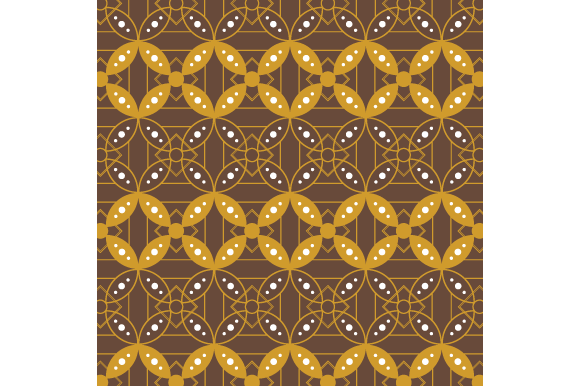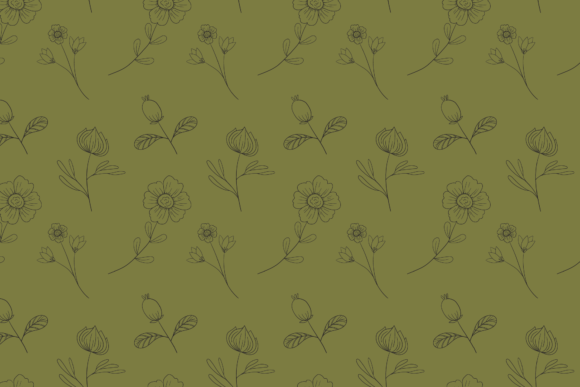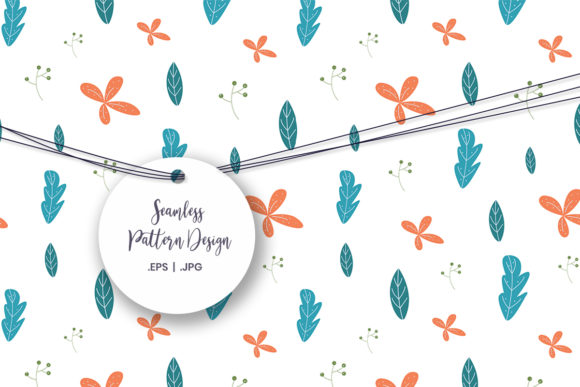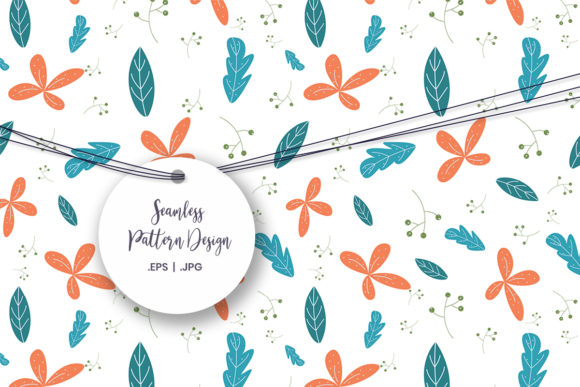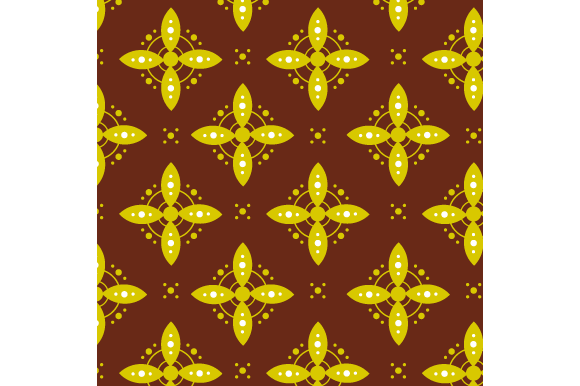
Decorative Batik Floral Pattern Design: A Guide to Selection and Application
In the realm of textile arts and digital design, few techniques offer the same blend of organic complexity and cultural depth as decorative batik floral pattern design. This intricate art form involves applying wax to fabric before dyeing it, creating unique resist patterns that result in motifs with a distinct, crackled texture. While modern technology has digitized many aspects of this process, the essence remains rooted in the handmade aesthetic. For professionals in the print retail and fashion industries, understanding the nuances of these designs is essential for making informed sourcing decisions.
This article explores the specific characteristics of decorative batik floral patterns, compares them to alternative design approaches, and outlines the practical considerations for integrating them into commercial products. Whether you are evaluating file formats for a new collection or deciding on the best medium for a specific garment type, the goal is to balance artistic integrity with production feasibility.
The Distinctive Nature of Decorative Batik Floral Patterns
At its core, a decorative batik floral pattern design mimics the unpredictable beauty of hand-dyed textiles. Unlike vector-based geometric shapes or perfectly symmetrical digital prints, batik designs often feature "crackle" effects—fine lines where the dye penetrates cracks in the wax. This characteristic gives the pattern a sense of age, movement, and tactile quality that flat digital prints struggle to replicate naturally.
When designers select floral motifs within this style, they are often looking for:
- Organic Flow: The flowers and leaves are rarely rigid; they tend to twist and turn, following the natural drape of the fabric.
- Layered Depth: Through the interplay of wax resist and multiple dye baths, colors often bleed slightly into one another, creating gradients that add visual weight to the design.
- Cultural Resonance: These patterns carry an inherent narrative of heritage and craftsmanship, which can elevate a brand's storytelling capabilities.
For the fashion industry, this translates to garments that feel more luxurious and artisanal. In print retail, it offers a product line that stands out against mass-produced, uniform patterns. However, achieving this look digitally requires specific attention to detail, particularly regarding texture mapping and color variation.
Comparing Digital Replicas to Traditional Methods
A critical decision point for buyers and designers is whether to source physical batik fabrics or utilize digital assets. While traditional handcrafted batik is undeniably authentic, it presents significant challenges for large-scale retail operations, including longer lead times, higher costs per unit, and inconsistencies between batches.
Digital decorative batik floral pattern design files have emerged as a robust alternative. They allow manufacturers to replicate the visual aesthetics of the craft without the logistical constraints of manual production. When evaluating digital options, the quality of the file becomes paramount. A low-resolution scan may capture the image but lose the subtle texture details that define the style. Conversely, high-fidelity digital files can simulate the crackle effect through specialized layering techniques, offering consistency across thousands of yards of fabric.
The tradeoff here is clear: physical batik offers 100% authenticity but lacks scalability, while digital versions offer perfect repeatability and speed but require skilled rendering to avoid looking artificial. For most mid-to-large scale retailers, the digital approach provides the necessary balance, provided the source material is of high quality.
Evaluating File Formats for Commercial Use
Once the aesthetic direction is set, the technical specifications of the asset become the next major consideration. The availability of files in AI, EPS, JPG, and PNG formats covers a wide spectrum of workflow needs, from initial conceptualization to final printing. Understanding the strengths and limitations of each format is crucial for avoiding production errors.
Vector Formats: AI and EPS
The AI (Adobe Illustrator) and EPS (Encapsulated PostScript) formats are the gold standard for scalable graphics. These vector-based files store mathematical data rather than pixel information, meaning the decorative batik floral pattern design can be resized from a small label to a full-length curtain without any loss of clarity.
These formats are ideal for:
- Screen Printing: Where precise separation of colors and clean edges are required.
- Large Format Textiles: Ensuring that the intricate details of the floral motifs remain sharp even when printed at massive scales.
- Customization: Allowing designers to adjust color palettes or isolate specific floral elements within the pattern.
The primary limitation is that vectors do not inherently support complex raster textures like the "crackle" effect unless those textures are embedded as linked images. If the design relies heavily on photographic realism or complex grain, pure vector files might need supplementary raster data.
Raster Formats: JPG and PNG
In contrast, JPG and PNG files are raster-based, composed of a fixed grid of pixels. These formats are essential for capturing the nuanced, organic imperfections of the batik style. The "crackled" lines and subtle color bleeding are often better represented in high-resolution raster images than in simplified vector paths.
PNG files are particularly valuable for their support of transparency. This allows designers to place the floral pattern over different colored backgrounds or integrate it into mockups without a white box surrounding the image. It is the preferred choice for web display and digital marketing materials.
JPG files, while compressed and lacking transparency, are universally compatible and smaller in file size. They are often sufficient for direct-to-garment (DTG) printing or sublimation processes where the background is solid or the design will be fully covered by ink.
The tradeoff with raster files is resolution dependency. A decorative batik floral pattern design saved as a JPG must be created at the exact output resolution (usually 300 DPI for print) to avoid pixelation. Scaling up a raster image results in blurriness, which can ruin the delicate appearance of the floral motifs.
Strategic Fit: When to Choose Batik vs. Alternatives
Selecting the right design approach depends heavily on the target market and the intended application. There is no single "best" option; rather, there is a best fit for specific business goals.
Ideal Scenarios for Decorative Batik Floral Designs
This style is exceptionally well-suited for brands positioning themselves in the sustainable, artisanal, or bohemian sectors. Consumers in these niches value the story behind the product and are willing to pay a premium for designs that appear unique and hand-crafted. The organic nature of the floral patterns aligns perfectly with summer collections, resort wear, and home decor items like curtains and table linens.
Furthermore, the versatility of the available file formats means these designs can transition seamlessly from high-end fashion runways to accessible retail merchandise. The ability to use AI or EPS files ensures that a design developed for a boutique dress can be scaled down for a tote bag without losing quality.
Limited Applications and Tradeoffs
However, decorative batik floral pattern design is not universally applicable. The busy, textured nature of the pattern can sometimes clash with structured corporate uniforms or minimalist streetwear that relies on bold, solid blocks of color. Additionally, if the production method is strictly screen printing with limited color separations, the complex gradients of a realistic batik design may be difficult to reproduce accurately without increasing costs.
In cases where extreme precision is required—for example, in technical apparel where seams and panels must align perfectly with the pattern—the irregular flow of a batik design might complicate the cutting and sewing process. In such instances, a more geometric or repeatable digital print might be a more practical choice.
Making the Final Decision
Ultimately, choosing a decorative batik floral pattern design involves balancing aesthetic appeal with technical reality. The decision should not be based solely on how beautiful the image looks in isolation, but on how it performs within your specific supply chain and production environment.
If your priority is versatility and scalability, prioritize the AI and EPS files. These ensure that your floral motifs remain crisp regardless of the product size. If your focus is on textural authenticity and web presentation, the PNG and JPG options provide the necessary detail and flexibility.
By carefully evaluating the strengths of each format and understanding the unique characteristics of the batik style, designers and retailers can create collections that resonate with consumers while maintaining operational efficiency. The key lies in recognizing that the "imperfection" of batik is actually a calculated design element that, when managed correctly, adds significant value to the final product.
Whether you are refreshing a seasonal collection or launching a new sustainable line, the integration of these patterns offers a pathway to differentiation. As the market continues to seek authenticity and connection to tradition, decorative batik floral pattern design stands out as a timeless yet adaptable solution for the modern fashion and print industries.