Unlocking Creativity with Digital Paper: The Versatile Decorative Flower Pattern
In the rapidly evolving world of digital design and crafting, the line between physical and virtual creativity has become increasingly blurred. One of the most sought-after assets in this space is Digital Paper, specifically designs that feature timeless aesthetics like a Decorative Flower Pattern. Whether you are a seasoned graphic designer, a hobbyist crafter, or a small business owner looking to add a personal touch to your products, understanding the value of high-quality digital assets is essential.
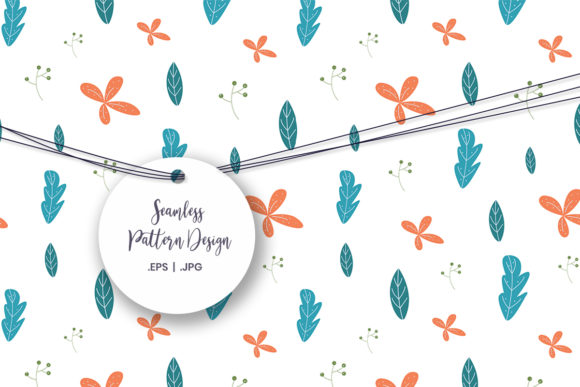
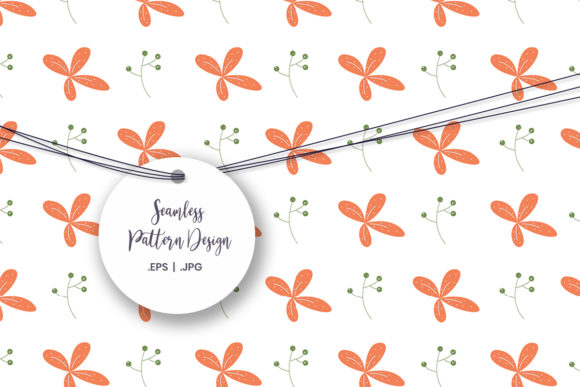
This specific pattern design is not just a pretty image; it is a versatile tool that opens doors to countless creative possibilities. From scrapbooking and kids' crafts to professional packaging and event invitations, the applications are nearly endless. By utilizing this Digital Paper featuring a delicate floral motif, creators can elevate their projects with a level of polish and charm that is difficult to achieve from scratch.
The Power of a Classic Design in a Modern Workflow
Why choose a Decorative Flower Pattern over other themes? Flowers have been a staple of human art and decoration for centuries. They represent growth, beauty, and nature, making them universally appealing. In the context of digital design, this classic motif offers a perfect balance. It is sophisticated enough for wedding stationery yet playful enough for children's party favors.
When integrated into modern workflows, this type of Digital Paper streamlines the creative process. Instead of spending hours hand-drawing backgrounds or searching for royalty-free images that don't quite match your vision, you can simply drag and drop this high-resolution file into your project. This efficiency allows designers to focus on the core elements of their work—layout, typography, and messaging—while relying on the background to provide texture and depth.
The versatility of this pattern means it fits seamlessly into various industries:
- Event Planning: Creating cohesive branding for weddings, baby showers, or corporate retreats.
- E-Commerce: Designing unique product packaging or promotional materials for boutique shops.
- Education: Teachers can print engaging worksheets or classroom decorations instantly.
- Hobby Crafting: Enabling enthusiasts to create custom journals and gift wrap without expensive equipment.
Exploring Creative Applications
The true magic of this asset lies in its adaptability. Let's look at how different users can leverage this Digital Paper for specific purposes.
Scrapbooking and Kids Crafts
For parents and teachers, time is often a luxury. A Decorative Flower Pattern provides an instant backdrop for memory-keeping. You can print these sheets on cardstock to create photo mats, journaling cards, or decorative borders for family albums. For kids' crafts, the vibrant nature of the pattern makes it ideal for paper dolls, collages, and simple cutting exercises. Because the files are high-resolution, even detailed patterns remain crisp when printed on standard home printers.
Card Making and Greeting Cards
Handmade greeting cards carry a sentimental value that store-bought ones simply cannot match. Using this Digital Paper, you can craft unique invitation cards, birthday greetings, or thank-you notes. The floral design adds an elegant touch that works for almost any occasion. You can layer the patterned paper over solid colors or mix it with other textures to create a mixed-media effect. The result is a personalized message that feels thoughtful and professionally designed.
Wrapping Paper and Party Invitations
Gift-giving is an art form, and wrapping paper is the first thing recipients see. Standard wrapping paper can be generic and mass-produced. However, by printing your own Digital Paper onto large rolls of paper or individual sheets, you create a bespoke look. Similarly, party invitations benefit immensely from a cohesive theme. Imagine sending out digital invites that link to a website with this same Decorative Flower Pattern, or printing physical invites where the background sets the tone for the entire event.
Printing Labels and Branding
Small business owners know that branding is everything. If you sell homemade jams, candles, or artisanal goods, your labels tell a story. This Digital Paper serves as an excellent base for label design. The floral motif suggests natural ingredients and care, which resonates well with consumers. You can overlay text, logos, and nutritional information to create professional-looking product tags that stand out on a shelf.
Technical Specifications and File Formats
One of the most critical aspects of purchasing digital assets is ensuring compatibility with your existing software and hardware. When you acquire this design, you receive it in two primary formats, each serving a distinct purpose in your workflow.
- EPS 10 Format: This is a vector-based format (or hybrid) that is incredibly powerful for professional design work. EPS 10 files are scalable, meaning you can resize the Decorative Flower Pattern from a tiny icon to a massive billboard without losing quality. This format is ideal for use in Adobe Illustrator, CorelDRAW, or InDesign. It allows you to edit layers, adjust colors if necessary, and integrate the pattern into complex layouts with precision.
- JPG High-Resolution File: For those who prefer simplicity or need to use the image in programs that do not support vector editing, the JPG option is perfect. The high-resolution specification ensures that the details of the flowers and leaves are sharp and clear. This format is ready-to-use in Microsoft Word, PowerPoint, Photoshop, Canva, and most other consumer-grade applications. It is also the preferred format for direct printing services.
Having both formats gives you maximum flexibility. You can start with the EPS file to build a layout and then export a high-quality JPG for final output, or vice versa depending on your needs.
Important Considerations for Printing
While digital design offers incredible freedom, there are practical considerations to keep in mind before hitting the print button. The most common factor users must address is color accuracy. The note included with the design states that colors on your screen may be slightly different from the actual print.
This phenomenon occurs due to the difference between RGB (Red, Green, Blue) color mode used by screens and CMYK (Cyan, Magenta, Yellow, Key/Black) color mode used by printers. Screens emit light, while printed paper reflects it. To mitigate this:
- Calibrate Your Monitor: Ensure your display settings are accurate to get the best preview possible.
- Request a Proof: If you are printing a large quantity for a project, always print a single test page first to check color fidelity.
- Choose the Right Paper: Glossy paper will make colors pop more vividly, while matte paper will offer a softer, more muted finish. The choice of paper stock significantly impacts how the Decorative Flower Pattern appears in the final product.
Why Invest in High-Quality Digital Assets?
In an era where free resources are abundant, why pay for premium Digital Paper? The answer lies in quality, consistency, and uniqueness. Free clipart often suffers from low resolution, leading to pixelation when printed. Furthermore, free patterns are often used by thousands of other people, resulting in a lack of originality.
Purchasing a dedicated design ensures that you are using a clean, high-resolution file that has been vetted for quality. The Decorative Flower Pattern discussed here is crafted to be seamless and repeatable, allowing for infinite tiling without visible breaks. This attention to detail saves time and frustration, ensuring your final project looks professional and polished.
Additionally, owning the rights to these files means you can use them commercially. Whether you are selling handmade cards, creating digital planners, or designing merchandise, having a license to use this Digital Paper protects you legally and gives you peace of mind. It transforms a simple background into a valuable asset for your business portfolio.
Making the Most of Your Design
To truly maximize the potential of this asset, think outside the box. Don't limit yourself to just paper crafts. Use the Digital Paper as a digital background for video calls to add a professional yet friendly touch. Create overlays for social media posts to maintain a consistent brand aesthetic. Or, use the high-resolution JPG to create phone wallpapers or tablet backgrounds that bring a bit of nature to your daily digital life.
The combination of the Decorative Flower Pattern with the technical robustness of EPS 10 and high-res JPG formats creates a powerhouse tool for any creator. It bridges the gap between traditional crafting and modern digital design, offering a solution that is both nostalgic and forward-thinking.
As you embark on your next project, remember that the right background can transform a good idea into a great one. With this versatile Digital Paper, you have the foundation to build something beautiful, functional, and uniquely yours. Whether you are wrapping a gift, inviting guests to a celebration, or designing a new product line, let the elegance of the floral pattern guide your creative journey.