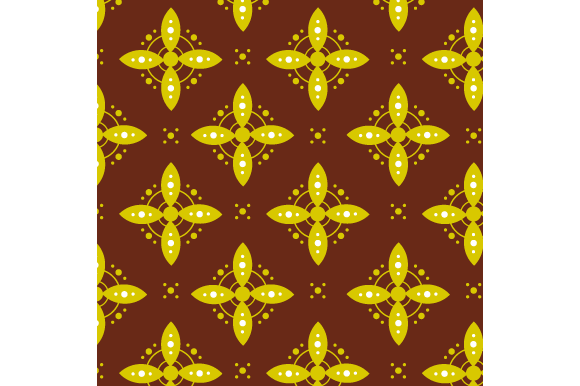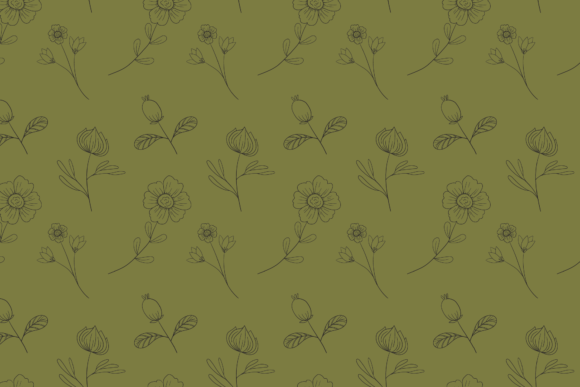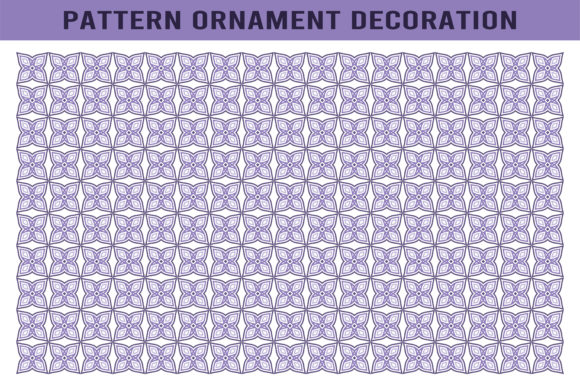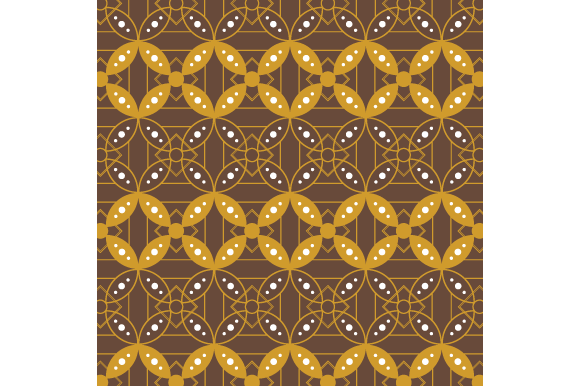
Batik Decorative Floral Pattern Design
There is something undeniably warm and inviting about the intricate lines of a Batik decorative floral pattern design. Unlike generic digital prints that often feel cold or repetitive, these patterns carry the soul of handcrafted tradition. They blend the organic unpredictability of nature with the disciplined artistry of wax-resist dyeing techniques. For creators, entrepreneurs, and everyday users alike, this specific aesthetic offers more than just a pretty background; it provides a versatile tool for storytelling and branding.
When you look at a high-quality file containing this design, you are seeing a bridge between heritage and modern commerce. The floral motifs are not merely flowers; they are stylized representations of local flora, often imbued with cultural symbolism. Whether you are a small business owner launching a clothing line or a blogger looking to add character to your website, understanding how to leverage these designs can transform a standard project into something memorable.
Why This Aesthetic Matters in Modern Markets
In an era where consumers are increasingly seeking authenticity, the Batik decorative floral pattern design stands out as a powerful differentiator. Mass-produced textiles often lack depth, but Batik carries a history of craftsmanship. When applied correctly, it signals quality, culture, and attention to detail. This is why the design has become a staple in various sectors, from high-end fashion runways to cozy home decor catalogs.
The versatility of these patterns lies in their ability to adapt. A bold, large-scale floral motif can dominate a summer dress, while a subtle, repeating version can serve as a sophisticated texture on a corporate notebook cover. The key is understanding the scale and color palette of the specific design you choose. It is not just about slapping a flower on a product; it is about harmonizing the traditional elements with contemporary needs.
Real-World Applications Across Industries
To truly appreciate the utility of these files, we need to look at where they are used in practice. Let's break down the scenarios where this resource becomes indispensable.
- Fashion Retail and Apparel: For boutique owners and fashion designers, this is the primary battleground. Imagine a summer collection featuring linen shirts printed with a delicate Batik decorative floral pattern design. The natural fibers complement the earthy tones of the batik, creating a cohesive look that appeals to eco-conscious shoppers. Unlike synthetic prints that crack over time, the right application ensures durability and a soft hand-feel. Small brands use these patterns to create limited-edition capsules that stand out against fast-fashion giants.
- Home Textiles and Interior Design: Home decorators often struggle to find fabrics that feel "lived-in" yet elegant. Batik floral patterns offer exactly that. They work beautifully on throw pillows, curtains, and table runners. In a living room setting, a cushion with a deep indigo and gold floral batik print can anchor a neutral space, adding a touch of global sophistication without overwhelming the senses.
- Digital Content and Branding: It is not just for physical goods. Bloggers and marketers frequently need unique backgrounds for social media posts, email newsletters, and website headers. Using a generic stock photo can make a brand look impersonal. By integrating a vector-based Batik decorative floral pattern design, content creators can establish a distinct visual identity. The pattern adds texture and warmth to digital interfaces, making them feel more human and approachable.
- Educational and Creative Projects: Educators teaching art history or cultural studies can use these designs as tangible examples of textile evolution. Hobbyists working on scrapbooking, journaling, or DIY crafts find endless possibilities in these files. A student might use the pattern to create a custom school uniform accessory, while a hobbyist might transfer the design onto canvas for a framed piece of art.
Navigating the Technical Formats: AI, EPS, JPG, PNG
One of the most critical steps in utilizing this design is selecting the correct file format. The value of the asset depends entirely on how you plan to use it. When you acquire a package containing AI, EPS, JPG, and PNG files, each serves a distinct purpose in your workflow.
The AI (Adobe Illustrator) and EPS (Encapsulated PostScript) files are the heavy hitters for professional applications. These are vector formats, meaning they are built on mathematical paths rather than pixels. If you are a fashion designer planning to print this pattern on a roll of fabric that is several meters wide, you need vectors. You can scale the Batik decorative floral pattern design up to the size of a billboard or down to a business card without losing a single line of detail. This scalability is crucial for maintaining the crispness of the intricate wax-resist details that define the style.
Conversely, JPG and PNG files are raster images composed of pixels. While they are perfect for quick mockups, web graphics, or printing on smaller items like phone cases or greeting cards, they have limits. If you try to enlarge a low-resolution JPG too much, the image will become pixelated and blurry, destroying the delicate nature of the batik lines. However, these formats are excellent for immediate use in digital marketing campaigns where load speed matters, or for non-professional users who simply want to print a document on a home printer.
Considerations Before You Start
Before downloading or purchasing a design, there are practical factors to consider. First, think about your end goal. Are you printing on fabric, paper, or screen? Fabric printing requires high-resolution vectors (AI/EPS) to ensure the dye penetrates the material evenly. Digital printing on screens might benefit more from optimized PNGs with transparent backgrounds.
Secondly, consider the licensing and customization rights. Many resources come with restrictions on commercial use. As an entrepreneur, you must ensure you have the legal right to sell products featuring the design. A legitimate source will provide clear terms regarding whether you can modify the colors or combine the floral motifs with other elements. The beauty of having the source files (like AI) is that you can tweak the color palette to match your brand guidelines. Perhaps you want a navy blue floral instead of the traditional brown, or a vibrant coral for a summer sale. Vector files allow you to recolor the entire pattern instantly without degrading the image quality.
Another important aspect is the color mode. Professional printing usually requires CMYK color profiles, while digital displays use RGB. Ensure the files you download are compatible with your intended output method. Mixing these up can result in colors that look dull on paper compared to how they appeared on your monitor. Always check if the provider offers both modes or if you need to convert them yourself using professional software.
Making the Most of Your Design Assets
Ultimately, the success of a project using a Batik decorative floral pattern design comes down to thoughtful application. It is not enough to just have the file; you must understand how the pattern interacts with the medium. In fashion, the drape of the fabric changes how the pattern looks. A stiff cotton will hold the sharp lines of the batik well, while a flowing silk might blur the edges slightly, creating a softer effect.
For marketers, the pattern can be used to evoke specific emotions. The organic nature of the floral motifs suggests growth, nature, and sustainability. Use this to your advantage when promoting eco-friendly products or artisanal goods. The visual language speaks before the customer even reads the copy.
Whether you are a freelancer designing a portfolio, a teacher preparing a lesson plan, or a business owner launching a new line, the Batik decorative floral pattern design offers a rich foundation for creativity. By choosing the right file format and respecting the nuances of the design, you can create work that feels authentic, professional, and deeply connected to the art of textile design. The difference between a generic product and a standout item often lies in these subtle choices, turning a simple floral motif into a signature element of your brand or project.