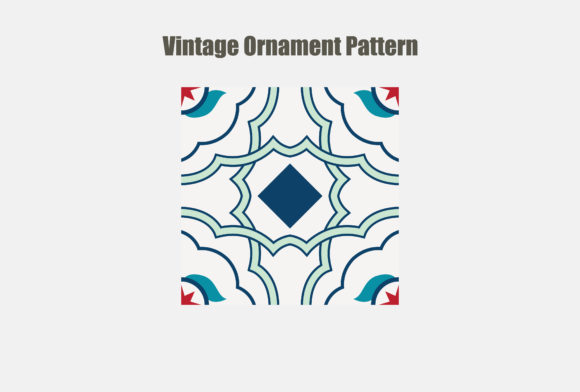
Vintage Decorative Pattern: Elevate Your Designs with Timeless Style
In an era where digital content is consumed at breakneck speed, the visual landscape often feels homogenized. Screens are flooded with minimalist grids and sterile corporate aesthetics that, while clean, frequently lack soul. This is where a Vintage Decorative Pattern becomes more than just a background; it transforms into a strategic asset for communication. Whether you are designing a wedding invitation, rebranding a boutique coffee shop, or creating educational materials for students, these intricate designs offer a bridge between modern functionality and historical charm.
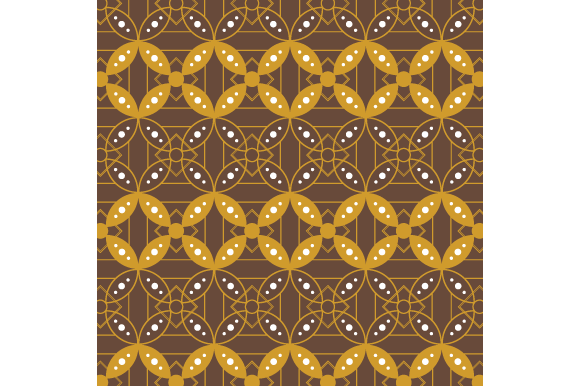
The allure of vintage design lies in its ability to evoke nostalgia and trust. Unlike fleeting trends that vanish within a season, patterns inspired by the Art Nouveau, Victorian, or Mid-Century eras possess a permanence that resonates deeply with audiences aged 20 to 50. For professionals seeking to differentiate their work, integrating these elements provides an immediate sense of craftsmanship and attention to detail. It signals that the creator has invested time in curating a specific atmosphere rather than simply assembling generic stock assets.
Why Vintage Aesthetics Drive Engagement Today
Understanding the psychology behind visual choices is crucial for anyone looking to improve their presentation skills. A Vintage Decorative Pattern serves as a visual anchor that guides the eye and establishes context before a single word is read. When used effectively, these patterns can soften harsh digital interfaces, making them feel more inviting and approachable. This is particularly valuable for small business owners and entrepreneurs who need to build an emotional connection with potential customers quickly.
Consider the scenario of a marketer launching a campaign for a heritage brand. The challenge often involves balancing modern marketing tactics with the company's established identity. By overlaying a subtle vintage motif onto social media graphics or email headers, the brand maintains its legacy while appearing fresh and relevant. The pattern acts as a unifying thread, tying disparate pieces of content together into a cohesive narrative. This consistency strengthens brand recognition and helps consumers recall the message long after they have scrolled past the initial post.
For educators and bloggers, the utility extends beyond mere decoration. Visual complexity, when applied judiciously, can increase retention rates. A lesson plan or blog post framed by an elegant border or filled with a textured background creates a "container" for information, signaling to the reader that the content within is curated and valuable. It breaks up the monotony of white space, reducing cognitive load and keeping the audience engaged for longer periods.
The Strategic Value of Vector and Raster Formats
Access to high-quality assets is only half the battle; having the right file format is what truly unlocks versatility. The availability of a Vintage Decorative Pattern in both EPS and JPG formats addresses the diverse needs of modern creators. Understanding the distinction between these two file types allows users to select the optimal tool for their specific project, ensuring professional results without unnecessary frustration.
The EPS File (Encapsulated PostScript) is a vector-based format that represents the gold standard for scalability. For graphic designers, freelancers, and print publishers, this is indispensable. Because vectors are defined by mathematical equations rather than pixels, a vintage pattern downloaded in EPS can be scaled from a tiny icon on a business card to a massive mural on a storefront wall without losing a single line of detail. This flexibility supports efficiency, allowing professionals to repurpose a single asset across multiple mediums—from brochures to billboards—without needing to hunt for different resolutions. Furthermore, vector files allow for color manipulation, enabling a designer to instantly adapt a sepia-toned pattern to match a new brand palette.
Conversely, the JPG File offers immediate usability for web and digital applications. While not scalable like vectors, JPEGs are universally compatible and optimized for screen display. For bloggers, social media managers, and content creators working on tight deadlines, the JPG format means the pattern is ready to use immediately. There is no need for complex software conversion or layer management. A photographer or hobbyist can drop a vintage texture into a photo editing program to create a retro filter effect, or a web developer can use it as a seamless background tile to enhance the user experience on a website. The combination of these two formats ensures that whether the goal is high-fidelity print production or rapid digital deployment, the creative workflow remains uninterrupted.
Practical Applications Across Industries
The adaptability of these patterns makes them suitable for a wide array of practical situations. In the realm of publishing, authors and self-publishers often struggle to make their book covers stand out in a crowded marketplace. A sophisticated vintage pattern can convey genre expectations instantly—a floral motif might suggest romance, while a geometric Art Deco design could hint at mystery or history. This visual shorthand simplifies decision-making for readers, helping them identify books that align with their interests.
Small business owners in the hospitality industry also benefit significantly. Imagine a café owner designing a menu. A plain white background might look clean, but it lacks character. Integrating a vintage decorative element around the edges or as a watermark adds warmth and suggests a commitment to quality ingredients and traditional methods. This subtle cue influences customer perception, potentially increasing the perceived value of the offerings and encouraging repeat visits.
Even in the corporate sector, there is room for these designs. Annual reports and investor presentations often suffer from being overly dry and data-heavy. Injecting a tasteful vintage pattern into the header or footer can humanize the document, showing that the organization values aesthetics and creativity alongside financial performance. It demonstrates a holistic approach to branding that appeals to stakeholders looking for companies with strong cultural identities.
Navigating Limitations and Making Informed Choices
While the benefits are substantial, it is important to approach the integration of vintage patterns with a critical eye. Not every design requires a decorative flourish, and overuse can lead to visual clutter that obscures the primary message. The key lies in balance. A pattern should support the content, not compete with it. If the text is dense or the imagery is already complex, adding a heavy vintage background may reduce readability and frustrate the audience.
Users must also consider the technical limitations of their chosen medium. While an EPS file offers infinite scalability, it requires software capable of handling vector paths, such as Adobe Illustrator or CorelDRAW. If a user is working in a basic image editor or a web builder that does not support vector imports, attempting to use an EPS file directly will result in errors or low-resolution rasters. Similarly, relying solely on a JPG file for large-scale printing can lead to pixelation and a loss of sharpness, which undermines the professional quality the pattern was intended to provide.
Therefore, the ideal strategy involves comparing options based on the end goal. If the project demands precision and future-proofing, the EPS version is the superior choice. If the priority is speed and web compatibility, the JPG file suffices. By understanding these nuances, creators can avoid common pitfalls and ensure that their use of a Vintage Decorative Pattern enhances rather than detracts from their final output.