Pattern Ornament Decorative: A Strategic Asset for Versatile Branding and Design
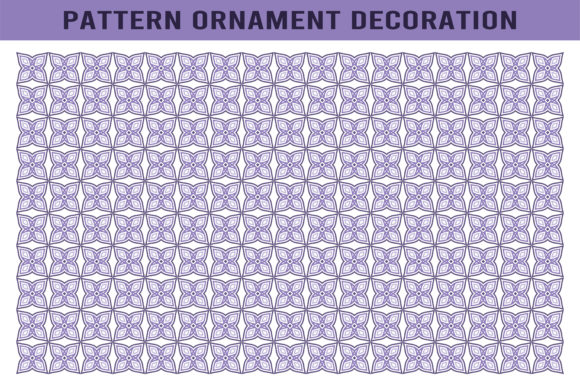
In the landscape of modern visual communication, the distinction between a generic background and a strategic design element often lies in intentionality. Pattern Ornament Decorative represents more than just aesthetic filler; it is a functional tool that, when deployed correctly, enhances brand identity, improves user engagement, and elevates the perceived value of physical and digital products. For entrepreneurs, marketers, and creative professionals, understanding the mechanics of this asset is crucial for making informed decisions about resource allocation and design direction.
The versatility of this design allows it to transcend traditional boundaries. Whether you are a small business owner looking to differentiate your packaging or an educator creating engaging learning materials, the ability to adapt a single motif across multiple media channels offers significant operational efficiency. This guide explores how to leverage Pattern Ornament Decorative not merely as decoration, but as a cohesive strategy that supports long-term goals and delivers tangible results.
Strategic Applications Across Media Channels
The primary advantage of utilizing Pattern Ornament Decorative lies in its adaptability. In a fragmented media environment, consistency is key to building trust. This design serves as a unifying thread that can be woven into various touchpoints without losing its integrity. The source files provided ensure that whether you are working on high-resolution print or digital interfaces, the quality remains uncompromised.
- Wall Backgrounds and Wallpapers: For interior designers and real estate marketers, setting the right mood is essential. Using this pattern for wall backgrounds creates an immersive environment that can subtly influence customer behavior or enhance the comfort of a workspace. The 300 DPI resolution ensures that large-scale installations remain crisp and professional, avoiding the pixelation that often undermines credibility.
- Fabric and Product Motifs: Fashion designers and product manufacturers benefit from the scalability of these files. The ability to resize and change colors means you can create a cohesive collection where the ornamentation adapts to different fabric types or product finishes. This flexibility reduces the need for multiple custom designs, streamlining the production process.
- Paper and Table Decorations: Event planners and hospitality professionals can utilize these motifs to create memorable experiences. From invitations to table runners, the pattern adds a layer of sophistication that signals attention to detail. When used intentionally, it transforms standard event supplies into branded assets that guests remember.
- Batik and Traditional Decorations: For those honoring cultural heritage, the intricate nature of this design makes it ideal for Batik decorations. It respects the complexity of traditional arts while offering the modern convenience of digital editing, allowing for contemporary interpretations of classic styles.
Technical Advantages for Decision-Makers
From a logistical standpoint, the file formats included with Pattern Ornament Decorative address common pain points in the creative workflow. The inclusion of EPS, SVG, and JPEG files provides a comprehensive toolkit that caters to different stages of production and various software environments.
The EPS and SVG files are vector-based, which is critical for scalability. Unlike raster images that lose quality when enlarged, these formats allow you to scale the design to any size without degradation. This feature is particularly valuable for decision-makers who need to plan ahead. You can start with a small logo application and later expand the same asset to a billboard-sized banner, knowing the visual quality will remain consistent. Furthermore, being able to change colors within these formats allows for rapid customization to match seasonal campaigns or specific brand guidelines without needing to commission new artwork.
The JPEG files at 300 DPI resolution offer immediate usability for high-quality printing. This resolution meets industry standards for professional printing, ensuring that brochures, business cards, and posters look sharp. The RGB color mode ensures vibrant display on screens, making it suitable for web design, social media graphics, and digital presentations. The combination of these formats means you have a "single source of truth" for your design needs, reducing the risk of version control errors.
Intentional Design vs. Random Decoration
A common pitfall in design is the overuse of ornamentation. Without a clear strategic goal, Pattern Ornament Decorative can become visual noise that distracts rather than directs. To achieve better results, users must approach this asset with a purpose-driven mindset. The question should not be "Does this look pretty?" but rather "Does this support my message?"
When planning your use of this pattern, consider the context of your audience. For a luxury brand, the pattern might be used sparingly as a subtle watermark or border to convey exclusivity. Conversely, for a children's educational platform, the same pattern could be used more boldly to create a playful and inviting atmosphere. The ability to edit and customize the design empowers you to tailor the intensity and prominence of the ornament to fit the specific tone of your project.
Effective implementation requires a balance between the pattern and the content. If the text or primary information competes with the decorative elements, the user experience suffers. Strategic placement involves using the pattern to frame content, guide the eye, or create depth, rather than overwhelming the core message. This thoughtful approach ensures that the design enhances readability and retention, leading to higher conversion rates and better user engagement.
Risks and Mitigation Strategies
While the benefits of Pattern Ornament Decorative are substantial, relying on it without clear goals can lead to negative outcomes. One significant risk is the dilution of brand identity. If the pattern is applied inconsistently across different platforms—varying in color, size, or opacity—it can confuse customers and weaken brand recognition. To mitigate this, establish strict usage guidelines before beginning any project.
Another risk is the potential for the design to appear dated or clichéd if not updated to reflect current trends. Since the files are easy to customize, there is a temptation to use them exactly as they come. However, adapting the colors or integrating the pattern with modern typography can keep the design fresh and relevant. Additionally, ensure that the pattern does not interfere with accessibility standards. High-contrast patterns can sometimes cause issues for users with visual sensitivities, so testing your final output is a necessary step in the decision-making process.
Maximizing Long-Term Value
Investing in a versatile asset like Pattern Ornament Decorative is an investment in long-term operational efficiency. By having a library of high-quality, editable vectors, you reduce the time and cost associated with future projects. Instead of searching for new stock images or hiring a designer for every minor variation, you can quickly generate new concepts by altering the existing parameters.
This agility is crucial for businesses operating in fast-paced markets. It allows for rapid prototyping and testing of different visual strategies. For educators and freelancers, it means the ability to deliver high-quality work on tight deadlines without compromising on creativity. The capacity to resize and recolor the design ensures that your visual assets remain relevant as your business grows and evolves.
In conclusion, Pattern Ornament Decorative is a powerful tool when wielded with expertise and foresight. It bridges the gap between artistic expression and practical utility, offering a solution that is both aesthetically pleasing and functionally robust. By focusing on strategic application, maintaining technical quality through proper file management, and adhering to clear design principles, you can transform this pattern into a cornerstone of your visual identity. Whether you are designing a wall background, a fabric motif, or a paper decoration, the intentional use of this asset will yield superior results, fostering a deeper connection with your audience and supporting your broader business objectives.