Unlocking Timeless Aesthetics: The Strategic Value of Key Antique Decorative Design Monochrome in Modern Branding
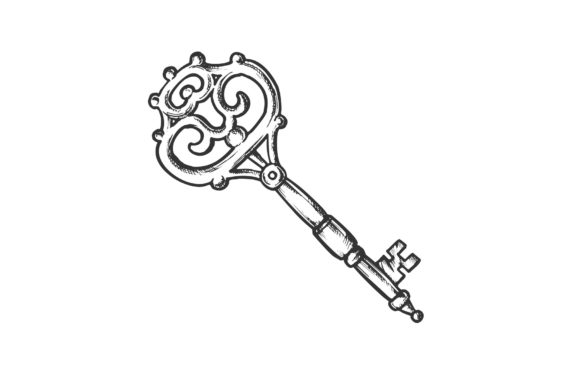
In an era where digital interfaces are increasingly saturated with flat design and minimalist utility, a distinct shift is occurring within the creative landscape. Professionals, entrepreneurs, and marketers are rediscovering the power of Key Antique Decorative Design Monochrome. This aesthetic is not merely a nostalgic nod to the past; it represents a sophisticated evolution in visual storytelling that bridges the gap between historical gravitas and contemporary digital requirements. By leveraging elements such as the ornate door or gate skeleton Victorian key, creators can inject a sense of exclusivity and mystery into their projects.
The relevance of this style has surged as consumers crave authenticity and depth. In a market flooded with generic stock imagery, a hand-drawn illustration in vintage style black and white offers a tactile quality that resonates deeply with audiences seeking something tangible. Whether for a luxury brand identity, a gaming environment, or a high-end editorial layout, understanding the nuances of these assets is crucial for standing out.
Defining the Aesthetic: More Than Just a Sketch
To understand the impact of Key Antique Decorative Design Monochrome Vector, one must first look beyond the surface. It is a specific subset of decorative arts characterized by high contrast, intricate detailing, and a strict adherence to a single color palette—typically black on white or vice versa. The core subject often revolves around the concept of access and security, symbolized through the ornate door or gate skeleton Victorian key.
This imagery is rarely random. Historically, keys represented power, knowledge, and the transition from public to private spaces. In modern design, this translates to a powerful metaphor for unlocking potential, premium membership, or exclusive content. The monochrome approach strips away the distraction of color, forcing the viewer to focus entirely on the line work, the texture, and the structural integrity of the design. This results in a graphic element that feels both ancient and immediately legible in a digital context.
The Technical Advantage of Vector Formats
One of the primary reasons professionals are integrating these designs into their workflows is the technical versatility provided by vector formats like EPS. Unlike raster images which lose quality when scaled, vector graphics allow for infinite scalability without pixelation. This is particularly vital for brands that require their logos or marketing materials to be consistent across various mediums—from a tiny mobile app icon to a massive outdoor billboard.
Furthermore, the availability of these assets in JPG format ensures immediate compatibility for web use, while the EPS files provide the necessary backbone for professional print production. This dual-format capability streamlines the workflow for freelancers and agencies who need to deliver rapid prototypes alongside final, high-resolution deliverables. The ability to manipulate the Key Antique Decorative Design Monochrome elements independently allows designers to deconstruct the ornate details, reposition the gate skeletons, or integrate them seamlessly into complex layouts.
Market Trends and Consumer Psychology
Why are we seeing a resurgence of interest in vintage, hand-drawn aesthetics? The answer lies in the psychological response to digital fatigue. As users scroll endlessly through algorithmic feeds dominated by polished 3D renders and hyper-realistic photography, there is a growing craving for imperfection and human touch. A hand drawn in vintage style black and white illustration signals effort, craftsmanship, and a connection to heritage.
This trend aligns perfectly with the "slow living" movement and the broader consumer desire for sustainability and longevity. In fashion, interior design, and even software UI, there is a move away from disposable trends toward timeless classics. The ornate door or gate skeleton Victorian key serves as a universal symbol of value. When used in marketing campaigns, it subconsciously suggests that the product or service being offered is rare, protected, and worth guarding. It creates a narrative of "close territory access," implying that the audience is entering a special club or gaining entry to privileged information.
For entrepreneurs launching subscription services, educational platforms, or exclusive communities, this imagery is invaluable. It visually communicates the barrier to entry and the reward of crossing it. The monochrome nature of the design ensures that it does not clash with existing brand colors, making it an adaptable tool for rebranding efforts or seasonal campaigns.
Adapting Workflows for Heritage Design
Integrating Key Antique Decorative Design Monochrome into modern workflows requires a shift in perspective. Designers are no longer just arranging pixels; they are curating atmospheres. The process involves selecting the right level of intricacy. Too much detail can clutter a modern interface, while too little may fail to capture the essence of the Victorian era. The sweet spot lies in the balance between the ornate patterns of the key's bow and the functional clarity of its bit.
Marketers are also finding new ways to utilize these assets. Instead of static images, these vectors are being animated to create subtle, looping effects that draw attention without overwhelming the user. Imagine a website hero section where the skeleton Victorian key slowly rotates or glows, inviting the user to click and gain access. This interactive element enhances engagement metrics by turning a passive viewing experience into an active exploration.
Practical Applications Across Industries
The versatility of this design language extends far beyond traditional graphic design. Let us explore how different sectors are leveraging these assets to meet changing expectations.
- Luxury Hospitality and Real Estate: High-end hotels and boutique properties use the Key Antique Decorative Design Monochrome aesthetic to evoke a sense of old-world charm and privacy. The imagery of a gate or a locked door suggests a sanctuary, a place removed from the chaos of the outside world. Brochures and websites featuring these illustrations set a tone of exclusivity before a single word is read.
- Gaming and Entertainment: In the realm of video games and tabletop role-playing, the hand drawn in vintage style black and white illustration is essential for creating immersive worlds. The ornate door or gate skeleton Victorian key serves as a quest item or a UI element representing puzzle-solving and discovery. Its detailed vector structure allows for crisp rendering at any resolution, ensuring that players appreciate the artistry even on high-definition displays.
- Fashion and Apparel: Streetwear brands and luxury labels frequently incorporate monochrome vintage motifs into their branding and packaging. The stark contrast of black and white fits seamlessly into minimalist clothing lines, adding a layer of intellectual depth to the product. The key motif often symbolizes the "key to style" or unlocking personal expression.
- Education and Publishing: For publishers focusing on history, literature, or mystery genres, these designs provide an authentic backdrop. Using Key Antique Decorative Design Monochrome in book covers or educational materials helps establish authority and respect for the subject matter.
The Future of Monochrome Storytelling
Looking ahead, the integration of Key Antique Decorative Design Monochrome into digital ecosystems will likely deepen rather than diminish. As artificial intelligence tools become more prevalent, the demand for distinctly human-made or human-curated aesthetics will rise. AI can generate images, but it often lacks the intentional soul of a deliberate hand drawn in vintage style black and white illustration.
The future belongs to those who can blend the efficiency of modern technology with the emotional resonance of historical design. The ability to manipulate EPS files allows for rapid iteration, while the JPG output ensures broad accessibility. This combination empowers creators to tell stories that feel both cutting-edge and rooted in tradition.
As businesses continue to navigate a crowded marketplace, the need for differentiation becomes paramount. The ornate door or gate skeleton Victorian key offers a unique solution. It is a symbol that speaks of secrets, value, and the promise of discovery. By adopting this aesthetic, professionals are not just following a trend; they are participating in a revival of design principles that prioritize substance over flash.
Conclusion: Embracing the Legacy
The resurgence of Key Antique Decorative Design Monochrome is a testament to the enduring power of well-crafted imagery. It proves that in a fast-paced, colorful digital world, there is still immense value in the simplicity of black and white. The intricate details of the skeleton Victorian key remind us of the craftsmanship required to build something lasting.
For creators, marketers, and entrepreneurs, the lesson is clear: do not underestimate the power of heritage. By utilizing these high-quality assets, you can elevate your brand narrative, connect with audiences on a deeper emotional level, and create a visual identity that stands the test of time. Whether you are designing a logo, a website, or a campaign, the strategic application of this vintage style can transform a standard project into a memorable experience. The key to success lies in understanding that every line drawn, every curve of the gate, and every shadow cast in monochrome tells a story waiting to be unlocked.