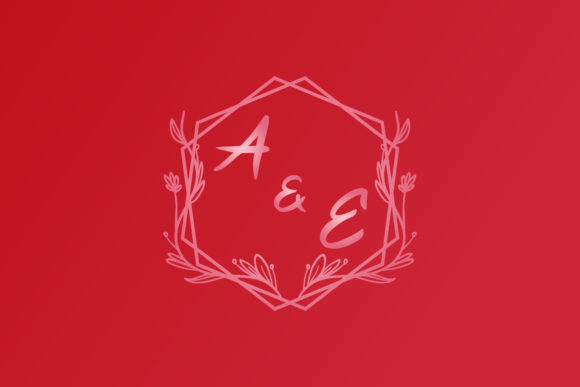
Monogram Decorative Beauty: A Practical Guide to Smart Design Choices
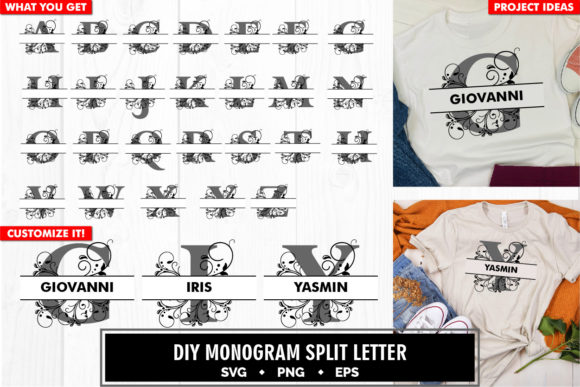
When you are looking to elevate a project, the difference between a generic look and something that truly stands out often comes down to one specific element. Monogram Decorative Beauty offers a sophisticated approach to personalization that works seamlessly across a wide range of applications. Whether you are a small business owner launching a new brand or a hobbyist creating custom gifts, this design provides the versatility needed for shirts, clothes, posters, stickers, tote bags, cards, and much more.
However, simply downloading a file is not enough to guarantee success. Many creators make the mistake of assuming that all digital assets are created equal. Without understanding the nuances of file formats, resolution requirements, and application methods, even the most beautiful design can fail to deliver the expected results. This guide focuses on helping you avoid common pitfalls so you can maximize the value of your purchase and ensure your final product looks professional and polished.
Understanding the Value of Versatile File Formats
One of the primary reasons people seek out high-quality designs like Monogram Decorative Beauty is the flexibility it offers. You will receive this design in a comprehensive suite of formats: AI, SVG, Transparent PNG, JPG, and EPS. While having options sounds ideal, many users overlook the specific use cases for each format, leading to frustration later in the production process.
A frequent error occurs when individuals try to print a raster image (like a JPG or PNG) at a large scale without checking the resolution first. If you plan to put this design on a large poster or a billboard, using a standard JPG might result in pixelation, ruining the crisp lines of the monogram. Conversely, vector files like AI and SVG are infinite in scalability. They allow you to resize the design from a tiny sticker to a massive banner without losing any quality. If you are printing on fabric, such as shirts or tote bags, the SVG or EPS format is usually your best bet because these formats work perfectly with cutting machines and embroidery software.
To avoid wasting money on failed prints, always match the file type to the end goal. Use transparent PNGs for web graphics where you need the background to disappear. Rely on AI and EPS files for professional printing services that require editable vector data. By understanding the strengths of each format, you ensure that your Monogram Decorative Beauty remains sharp and clear regardless of where it is applied.
The Canvas Size Advantage
Another detail that often gets overlooked is the canvas size. This design comes with a canvas size of 1920px by 1280px in each type. For digital marketing, social media posts, and screen-based presentations, this dimension is excellent. It provides enough pixel density for high-definition displays without being unnecessarily heavy for your computer to process.
However, if you intend to use this for physical printing, 1920x1280 pixels might be too small depending on the DPI (dots per inch) settings required by your printer. A common mistake is attempting to stretch a 1920px image to fit a standard A4 paper or a large T-shirt panel without converting it to a true vector first. Always verify the physical dimensions required by your printing vendor before starting your project. If you need a larger print area, start with the vector files (AI, SVG, EPS) to scale up properly, rather than trying to upscale the raster images.
Common Mistakes in Application and Usage
Even with the perfect files, the way you apply the design can determine the final outcome. One of the most significant errors beginners make is ignoring the transparency of the background. When working with PNGs, ensure that the "transparent" option is actually selected in your design software. A white box around your monogram can ruin the aesthetic of a dark-colored shirt or a sleek card design.
Furthermore, color management is a critical factor. Digital screens use RGB color mode, while printers typically use CMYK. A vibrant blue on your monitor might look duller when printed on a tote bag. Before committing to a bulk order, always request a physical proof or a soft proof from your service provider. Do not assume that the colors will translate exactly as they appear on your screen. This step saves you from costly reprints and ensures your brand identity remains consistent.
- Ignoring File Compatibility: Not every printer accepts every file type. Always confirm with your vendor which formats they prefer before uploading.
- Overlooking Bleed Areas: If your design extends to the edge of a poster or card, ensure you have included bleed space in your layout to prevent white edges after cutting.
- Skipping the Test Print: Never run a full production batch without testing the design on a single sample item first.
Evaluating Quality Before You Buy
When evaluating a design asset, it is easy to get caught up in the visual appeal and miss technical details. With Monogram Decorative Beauty, the inclusion of multiple formats is a strong indicator of quality, but you must still verify the integrity of the vectors. Open the AI or EPS file in a compatible program and check if the paths are clean and closed. Broken paths or missing fonts can cause issues during the cutting or printing phase.
Additionally, consider the complexity of the design relative to your intended medium. A highly detailed monogram might look stunning on a poster but could lose definition when printed on a small sticker. In such cases, you may need to simplify the design or choose a different size. Understanding the limitations of your production method is key to maintaining high standards.
For entrepreneurs and marketers, consistency is everything. Using a low-resolution version of your logo on a website and a high-resolution version on a business card sends mixed signals to your audience. Ensure that you use the appropriate version of Monogram Decorative Beauty for every touchpoint. The 1920x1280px versions are perfect for digital campaigns, while the vector files should be reserved for physical merchandise.
Maximizing Your Investment
Ultimately, the goal is to create products that reflect your vision and meet the needs of your audience. By avoiding the common mistakes discussed here, you can streamline your workflow and produce higher-quality results. Whether you are creating personalized gifts, branding a new clothing line, or designing promotional materials, the right tools make a significant difference.
Take the time to organize your files correctly. Keep your vector sources separate from your raster exports. Label your folders clearly so you can quickly access the right format for the job. This organizational habit will save you hours of frustration in the future.
Remember that Monogram Decorative Beauty is more than just an image; it is a versatile tool for creative expression. By respecting the technical requirements of the different file types and paying attention to the details of production, you can ensure that your projects look their absolute best. Don't let technical oversights hold back your creativity. Equip yourself with the right knowledge, choose the correct formats, and watch your designs come to life with clarity and style.
If you are ready to take your projects to the next level, focus on the practical steps outlined above. Verify your file compatibility, test your prints, and manage your colors carefully. These small adjustments lead to big improvements in satisfaction and efficiency. With the right approach, your use of decorative monograms will be a seamless part of your creative process, delivering professional results every time.