The Art and Utility of Ornament Decorative Elements in Modern Design
In the realm of visual communication and creative expression, Ornament Decorative elements serve as the bridge between functional utility and aesthetic beauty. These intricate designs are far more than mere embellishments; they are foundational components that define the character of a space, the identity of a brand, or the texture of a textile. Whether applied to a digital interface, a physical product, or an architectural surface, these motifs provide the necessary depth and sophistication that plain surfaces often lack.
The versatility of these designs allows them to transcend traditional boundaries. They are not confined to a single medium but rather flow seamlessly across various platforms. From high-resolution prints for large-scale murals to vector-based graphics for web interfaces, the adaptability of Ornament Decorative patterns ensures they remain relevant in a rapidly evolving design landscape. This comprehensive guide explores the multifaceted nature of these decorative assets, their practical applications, and why they have become indispensable tools for professionals and hobbyists alike.
Expanding the Visual Vocabulary: Pattern Ornament Design
At the core of Ornament Decorative work lies the concept of repetition and rhythm. A Pattern Ornament Design is created by arranging specific motifs in a structured manner to cover a surface area. This technique has been used for centuries, from ancient pottery to modern wallpaper, yet its principles remain rooted in the desire to create order out of chaos.
A Pattern Decorative Design can be subtle, providing a background texture that enhances the primary content without overpowering it. Alternatively, it can be bold, serving as the focal point of a composition. The choice depends entirely on the intended message and the environment in which the design will reside. For instance, in interior design, a Wall Background featuring an elaborate Ornament Motifs collection can transform a sterile room into a warm, inviting sanctuary.
The complexity of these patterns varies widely. Some rely on geometric precision, while others mimic organic forms found in nature. This diversity allows designers to select patterns that align perfectly with the theme of their project. Whether the goal is to evoke a sense of historical grandeur through classical Wallpapers or to achieve a modern, minimalist look through abstract Fabric Motifs, the options are virtually endless.
Applications Across Physical Media
The tangible world offers numerous opportunities to integrate Ornament Decorative elements. In the field of interior architecture, Wall Decorations are perhaps the most visible application. Unlike paint, which offers only a flat color, a textured or patterned Wall Background adds layers of visual interest. These decorations can be applied directly to walls, used as stencils, or incorporated into wall paneling systems.
Moving beyond architecture, the textile industry relies heavily on Fabric Motifs. Fashion designers and home furnishing manufacturers utilize Batik Cloth Decorations and other Product Motifs to create unique clothing lines and upholstery fabrics. The ability to scale these designs ensures that a pattern suitable for a delicate scarf can also be adapted for heavy-duty drapery without losing its integrity.
Furthermore, Furniture Motifs play a crucial role in woodworking and upholstery. Carvings on wooden chairs, tables, and cabinets often feature intricate Ornament Design elements that tell a story of craftsmanship. Similarly, Paper Decorations such as scrapbooking papers, gift wrap, and stationery benefit immensely from detailed Pattern Motifs that add a touch of elegance to everyday items.
Digital Frontiers: Vector and Raster Formats
While the physical applications are vast, the digital domain has revolutionized how Ornament Decorative assets are distributed and utilized. Modern workflows require files that are not only visually stunning but also technically robust. This is where the availability of multiple file formats becomes critical.
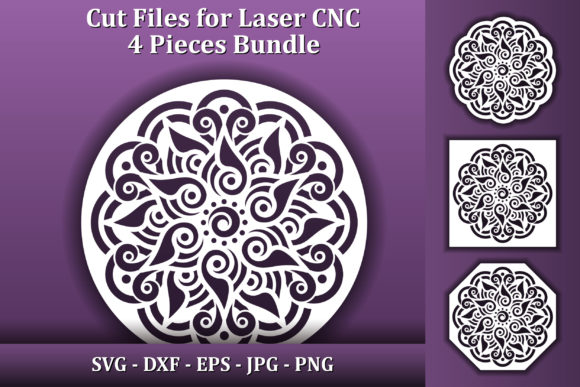
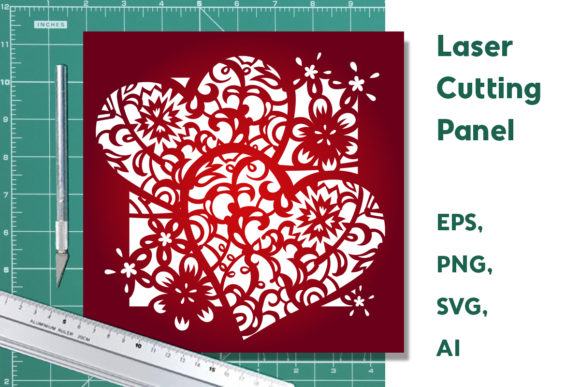
The source files for high-quality Ornament Decorative designs typically come in four distinct formats, each serving a specific purpose:
- EPS Files: These Encapsulated PostScript files are the gold standard for print production. They contain vector data that allows for infinite scaling without any loss of quality. Professionals who need to send artwork to commercial printers prefer EPS files because they ensure crisp edges and precise color reproduction.
- SVG Files: Scalable Vector Graphics are essential for web design. An SVG Ornament Motif can be embedded directly into HTML code, making it lightweight and responsive. As websites adapt to different screen sizes, SVGs ensure that the decorative elements remain sharp on everything from mobile phones to 4K monitors.
- PNG Files: Portable Network Graphics offer a raster format with transparency support. This makes PNGs ideal for overlaying Table Decorations or Wall Decorations onto existing images or backgrounds in graphic design software. The transparent background allows for seamless integration without unsightly white boxes.
- JPEG Files: Joint Photographic Experts Group files are universally compatible and compressed for efficient storage. They are perfect for sharing Ornament Decorative previews on social media or for use in presentations where file size is a concern, provided that the resolution remains high enough for the intended viewing distance.
This variety ensures that whether a user is a web developer, a print designer, or a hobbyist crafter, there is a format available that meets their technical requirements.
Technical Specifications for Professional Results
Quality is non-negotiable when dealing with Ornament Decorative assets intended for professional use. All designs should be created at 300 DPI resolution (dots per inch). This standard is crucial for print media, ensuring that the details of the Pattern Decorative Design are rendered clearly and do not appear pixelated or blurry when printed on paper, fabric, or signage.
In addition to resolution, the color mode is a vital consideration. Most modern designs are optimized for RGB Colors, which stands for Red, Green, and Blue. This color model is native to screens and digital devices, offering a vibrant spectrum that captures the eye. However, the flexibility of these files often allows for conversion to CMYK (Cyan, Magenta, Yellow, Key/Black) for print purposes if needed, though the source files prioritize the dynamic range of RGB.
The ability to resize and scale to any size is another defining characteristic of high-quality vector-based Ornament Motifs. Whether you need a small icon for a website header or a massive mural for a building facade, the design retains its clarity. This scalability eliminates the need to purchase separate versions of the same asset for different projects, saving time and resources.
Customization and Creative Freedom
One of the most significant advantages of using professional Ornament Decorative assets is the level of customization available. Designers rarely find a pattern that fits a project perfectly "out of the box." The true power lies in the ability to modify these elements to suit specific needs.
Easy to customize and edit features mean that users can alter the composition, density, and arrangement of the Pattern Ornament Design. For example, a designer might want to stretch a motif horizontally to fit a banner or compress it vertically for a side panel. Because the underlying structure is often built on editable layers, these transformations are straightforward.
Color modification is equally important. The capability to change color allows a single Ornament Design to be repurposed for different branding campaigns. A pattern originally designed in deep navy blue can be instantly converted to a bright corporate yellow or a soft pastel pink to match a new seasonal theme. This flexibility extends the lifecycle of the asset and reduces the need to commission entirely new illustrations for every variation.
Who Benefits from Ornament Decorative Assets?
The utility of Ornament Decorative elements spans a wide demographic, catering to diverse needs and skill levels.
Professionals and Business Owners utilize these assets to enhance their marketing materials. A business card adorned with a sophisticated Ornament Motifs set conveys attention to detail and quality. Similarly, packaging for luxury goods often features Product Motifs that elevate the perceived value of the item inside.
Creatives and Hobbyists find joy in personalizing their spaces and creations. Using Paper Decorations for scrapbooking or creating custom Table Decorations for events allows individuals to express their unique style. The ease of editing these files means that even those with limited design experience can produce professional-looking results.
Educators and Researchers may incorporate Pattern Decorative Design into lesson plans about art history, mathematics (geometry), or cultural studies. Understanding the evolution of Batik Cloth Decorations or the geometry behind Islamic Wall Backgrounds provides rich educational content that engages students visually.
Considerations for Implementation
While the benefits are clear, successful implementation requires thoughtful consideration. When selecting a Ornament Decorative element, one must consider the context in which it will be viewed. A highly detailed Wallpaper design might overwhelm a small room, whereas a simple Fabric Motif could get lost in a busy environment.
Resolution is another key factor. While 300 DPI is the standard for print, displaying these images on low-resolution screens does not require the full data, allowing for faster loading times. Conversely, attempting to print a low-resolution image will result in poor quality. Therefore, understanding the distinction between EPS files for print and optimized PNG files for web is essential.
Finally, the RGB Colors of the source file must be considered against the final output medium. If a design is intended for large-format printing, color accuracy becomes paramount. While the files are easy to customize and edit, the final color proof should always be checked to ensure the vibrancy matches the vision.
The Future of Ornamental Design
As technology advances, the scope of Ornament Decorative applications continues to expand. Augmented reality (AR) and virtual reality (VR) are opening new frontiers where digital Pattern Ornament Design can be overlaid onto real-world environments. Imagine walking through a museum where the Wall Decorations change dynamically based on the viewer's interaction, powered by scalable vector graphics.
The trend towards sustainability also influences design choices. Digital Ornament Motifs reduce the need for physical prototypes and wasteful trial-and-error processes. By perfecting a design digitally before applying it to Furniture Motifs or Fabric Motifs, creators can minimize material waste.
In conclusion, Ornament Decorative elements are a testament to the enduring human desire for beauty and complexity. They are versatile tools that empower creators to communicate more effectively and build more engaging experiences. With the availability of high-resolution, customizable, and multi-format assets, the potential for innovation in this field is limitless.
Thank you for visiting my shop. We hope this exploration of Ornament Decorative possibilities inspires your next project, whether it involves Table Decorations, Wall Backgrounds, or Product Motifs. The freedom to change color, resize, and edit these designs ensures that your creative vision can be realized in any medium you choose.