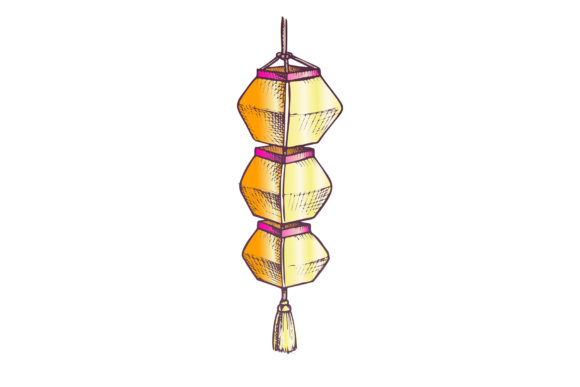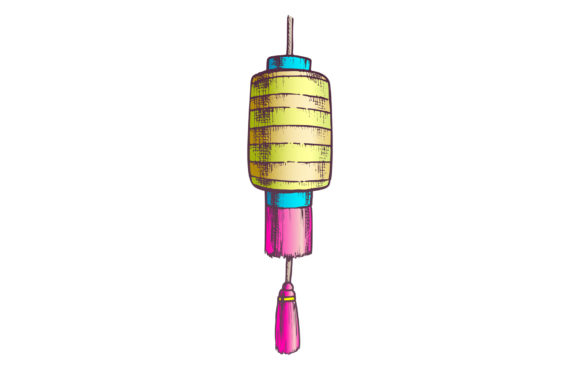
Decorative Lantern Festive Element Color
In the realm of digital design, finding assets that bridge the gap between nostalgic charm and modern technical utility can be a challenge. Decorative Lantern Festive Element Color represents a specific niche of vector graphics that has gained traction among professionals seeking to inject warmth and tradition into contemporary layouts. This collection is not merely a set of clip art; it is a curated suite of hand-crafted illustrations designed to evoke the atmosphere of vintage celebrations while maintaining the scalability required for high-resolution output.
The core appeal lies in its dual nature: it captures the rustic aesthetic of handmade tissue paper lanterns with tassels, yet it is delivered in precise vector formats like EPS and JPG. For marketers, small business owners, and content creators, this distinction is critical. It allows for seamless integration into branding materials without the pixelation issues often associated with raster-only holiday graphics. The "Festive Element" designation suggests these are modular components, intended to be mixed, matched, and layered to create unique visual narratives rather than serving as static, one-off images.
Artistic Integrity and Visual Characteristics
When evaluating Decorative Lantern Festive Element Color, the first observation is the attention to detail in the illustration style. The designs emulate the texture and irregularity of classic tissue paper crafts. Unlike flat, generic icons, these elements feature subtle gradients and shading that suggest depth and material weight. The inclusion of tassels adds a dynamic vertical element, breaking up horizontal lines in web banners or social media posts effectively.
The color palette is another defining characteristic. Described as a "Vintage Style Color Illustration," the hues typically lean towards warm, earthy tones—crimson, ochre, deep teal, and soft gold. These colors are chosen deliberately to avoid the neon-bright saturation common in modern digital art, instead opting for a muted, timeless look that feels authentic to the retro vector theme. This approach ensures that the graphics do not clash with existing brand identities that rely on sophisticated or heritage-based color schemes.
- Hand-Made Aesthetic: The designs mimic the imperfections of physical crafts, adding a human touch to digital projects.
- Vintage Color Theory: Colors are balanced to reduce eye strain and provide a cozy, inviting atmosphere.
- Structural Detail: Visible folds in the tissue paper and realistic tassel strands add credibility to the image.
Technical Specifications and Usability
For professionals working in Adobe Creative Cloud or similar environments, the availability of the asset in EPS (Encapsulated PostScript) format is a significant advantage. This vector format allows designers to scale the lanterns from a tiny favicon to a massive billboard poster without any loss of quality. The ability to ungroup paths and edit individual strokes within the EPS file means that a designer can alter the color of a single lantern to match a client's specific brand guidelines without needing to recreate the entire illustration from scratch.
The JPG formats included serve as immediate-use options for developers who may not have access to vector editing software or for use in email marketing templates where file size is a concern. However, the true value proposition remains in the vector data. When used in layout software like InDesign or Illustrator, these elements maintain crisp edges even when rotated or skewed, which is essential for creating dynamic light garland templates.
Practical Applications in Professional Workflows
The versatility of Decorative Lantern Festive Element Color extends across various industries. Small business owners often struggle to produce high-quality seasonal marketing materials without hiring expensive agencies. This asset pack provides a cost-effective solution for creating cohesive holiday campaigns. A bakery could use the lanterns to frame a special winter menu, while a boutique might incorporate them into email headers for a year-end sale.
Bloggers and publishers benefit from the "Light Garland Template" aspect of the collection. In long-form articles discussing cultural traditions or holiday history, inserting a decorative divider or header image helps break up text blocks and improves readability. The vintage style aligns well with editorial content that aims for a storytelling or journalistic tone, distinguishing it from more commercial, flash-heavy designs.
Freelance educators and course creators can utilize these elements to design engaging thumbnails for video tutorials or printable worksheets. The clear, distinct shapes of the lanterns ensure they remain recognizable even at smaller sizes, which is crucial for mobile viewing. Furthermore, the retro vector style lends itself well to educational materials about art history or traditional crafts, providing a visual anchor for lessons on paper engineering.
Integration Challenges and Limitations
While the assets are robust, there are practical considerations to keep in mind. Because the designs simulate handmade textures, they may contain complex path structures. If a user attempts to manipulate the intricate details of the tissue paper folds using basic vector tools, they might encounter performance lag if the file is overly dense. Professionals should be prepared to simplify paths if necessary to optimize file performance for web delivery.
Additionally, the vintage color scheme, while charming, requires careful handling in modern, minimalist designs. A stark, ultra-modern interface might find the warm, textured lanterns too visually heavy. In such cases, desaturating the colors or reducing the opacity of the lantern elements can help them blend more naturally into the background without losing their character. The key is balance; these elements work best when they act as accents rather than dominant focal points in a clean layout.
Long-Term Value and Strategic Fit
Investing in high-quality vector assets like Decorative Lantern Festive Element Color offers long-term value beyond a single project. Because the files are scalable and editable, they can be repurposed indefinitely. A banner created today can be resized for a different platform next year, and the colors can be tweaked to reflect changing trends while retaining the core design language. This flexibility reduces the need to constantly source new graphics, saving both time and budget.
For agencies managing multiple clients, having a library of versatile festive elements allows for rapid prototyping. Instead of starting from scratch during a rush holiday season, teams can pull these lanterns into mockups instantly, demonstrating concepts to stakeholders faster. The consistency of the style across the entire set ensures that a multi-channel campaign looks unified, whether it appears on a website, a print flyer, or a social media story.
- Brand Consistency: Use the same lantern style across all channels to build recognition.
- Cost Efficiency: One-time purchase replaces recurring costs for custom illustration.
- Scalability: Adapt assets for print, web, and mobile without quality degradation.
Ultimately, the decision to use Decorative Lantern Festive Element Color depends on the desired emotional resonance of the project. If the goal is to convey tradition, craftsmanship, and warmth, these assets are highly effective. They bring a tactile quality to digital screens, reminding viewers of the joy of physical decorations. However, for brands aiming for a futuristic or hyper-abstract aesthetic, these retro-inspired elements might feel out of place.
By understanding the strengths of the vintage style and the technical benefits of the vector formats, professionals can leverage these resources to enhance their visual communication. Whether it is a simple holiday greeting card or a complex marketing campaign, the thoughtful application of these lanterns can elevate the overall presentation, proving that sometimes the most effective design tools are those that honor the past while serving the present.