The Magic of the Decorative Light Blur Effect: Elevating Your Visuals
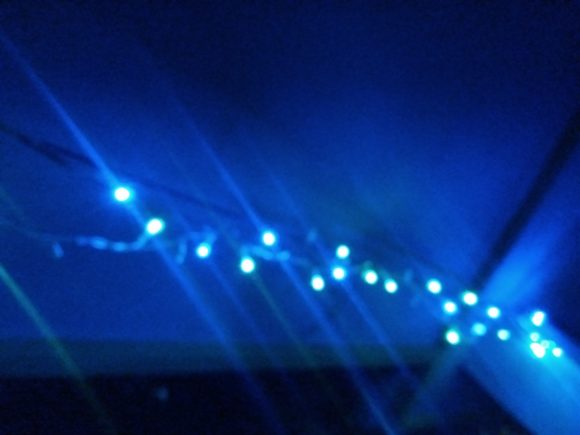
In a digital landscape saturated with high-definition clarity, there is something undeniably captivating about softness. The Decorative Light Blur Effect has emerged as a powerful tool for designers, photographers, and content creators who want to move beyond the sharp edges of traditional imagery. This aesthetic phenomenon transforms ordinary scenes into dreamy, atmospheric masterpieces, making it an essential asset for anyone looking to create stunning wallpapers or immersive background visuals.
When you are searching for the perfect visual element, you often find yourself stuck between wanting detail and needing focus. The blur effect decorative lights solution bridges this gap perfectly. It allows you to retain the mood and color palette of a scene while removing distracting details. Whether you are designing a mobile wallpaper that needs to be legible over icons or creating a website header that sets a specific emotional tone, this technique offers versatility that few other effects can match.
Why Soft Focus Resonates in Modern Design
The human eye is naturally drawn to light. Throughout history, from candlelit gatherings to modern neon cityscapes, light has been used to guide attention and evoke emotion. However, when light sources are rendered with absolute sharpness, they can sometimes feel harsh or clinical. By applying a blur, we mimic the way our eyes perceive bright lights in low-light conditions, creating a sense of realism and depth.
This is where the Decorative Light Blur Effect becomes indispensable. It simulates the natural optical aberration known as bokeh, turning points of light into beautiful, glowing orbs. This transformation does more than just look pretty; it serves a functional purpose in user interface (UI) design. A sharp, busy background can make text difficult to read and buttons hard to click. A blurred background, conversely, creates a visual hierarchy that pushes the foreground elements forward, ensuring your message is received clearly.
Furthermore, these images provide a psychological comfort. In a world that demands constant attention and high contrast, a soft, glowing background offers a moment of respite. It signals relaxation, warmth, and creativity. This is why blur effect decorative lights are increasingly popular in lifestyle blogs, meditation apps, and luxury brand websites. They set a tone before the user even reads a single word.
The Technical Beauty Behind the Art
Understanding the mechanics behind the Decorative Light Blur Effect helps you appreciate its value. Technically, this effect is achieved through various methods, ranging from simple lens aperture adjustments in photography to sophisticated Gaussian blurs and radial gradients in digital editing software. The goal is always the same: to soften the transition between light and dark areas.
What makes this effect particularly special for wallpapers and backgrounds is the texture it introduces. Unlike a solid color gradient, which can feel flat and artificial, a blurred light source retains subtle variations in hue and intensity. You might see hints of purple bleeding into blue, or warm gold blending into deep orange. These micro-details add richness to the image without overwhelming the viewer.
When you download a file featuring this style, you are getting more than just a picture; you are getting a texture generator. The original JPEG files provided are optimized to maintain high quality even when scaled up or down. This ensures that whether you are using the image on a massive 4K monitor or a small smartphone screen, the blur effect decorative lights remain smooth and free of pixelation artifacts.
Practical Applications for Everyday Projects
The utility of these images extends far beyond simple desktop customization. Let's explore how different industries and individuals utilize the Decorative Light Blur Effect in their daily workflows.
- Social Media Content: Instagram and TikTok stories often suffer from cluttered backgrounds. Overlaying text on a photo of a busy street can result in unreadable captions. By using a background with blur effect decorative lights, you create a clean canvas that makes your text pop while maintaining a professional aesthetic.
- Web Development: Landing pages need to convert visitors. A hero section featuring a blurred light effect can draw the user's eye directly to the "Call to Action" button. It creates a focal point without the distraction of competing visual elements.
- Presentation Slides: Corporate presentations can often feel dry and rigid. Injecting a slide deck with slides that feature the Decorative Light Blur Effect adds a layer of sophistication. It suggests that the presenter cares about aesthetics and attention to detail, subtly influencing the audience's perception of the brand.
- Digital Art and Mockups: Artists frequently use these images as base layers. The soft glow provides a perfect foundation for adding illustrations, 3D models, or typography. It acts as a lighting rig within the digital space, casting shadows and highlights that ground other elements in the composition.
The beauty of these assets lies in their adaptability. Because the core subject matter is abstract light rather than a specific object, these images fit seamlessly into almost any theme. A cool-toned blue blur works perfectly for technology or winter themes, while a warm-toned orange and red blur complements food, travel, or autumnal designs.
Selecting the Right Resolution and Format
One of the most critical factors when working with background images is resolution. If you choose a low-quality image, the blur effect can break down, revealing jagged edges or compression artifacts that ruin the illusion of softness. This is why obtaining the original JPEG file is non-negotiable for professional work.
A high-resolution JPEG preserves the smooth gradients necessary for a convincing blur. When you zoom in on a standard web-optimized image, you might notice the "blockiness" of the pixels. In contrast, a high-quality source file maintains the integrity of the light diffusion. This is especially important if you plan to print the wallpaper or use it in large-format displays.
Additionally, consider the aspect ratio. While many stock photos come in standard 16:9 ratios, the blur effect decorative lights are versatile enough to be cropped for vertical formats like 9:16 for mobile screens. The lack of distinct objects in the center of the image means you have significant freedom to crop without losing the essence of the design. You can shift the focal point of the light to suit your specific layout needs.
Enhancing User Experience Through Atmosphere
Beyond the technical and aesthetic benefits, there is a profound impact on user experience (UX). The Decorative Light Blur Effect plays a crucial role in reducing cognitive load. When a user lands on a page or unlocks their phone, their brain processes the visual information instantly. A chaotic, high-contrast image forces the brain to work harder to parse the scene. A soft, glowing background allows the brain to relax, focusing instead on the content you have placed in the foreground.
This principle is widely used in app design. Notice how many productivity apps use soft, blurred backgrounds? It isn't an accident. It is a deliberate choice to create a calm environment that encourages focus. Similarly, entertainment apps use vibrant, colorful blurs to stimulate excitement and energy. The choice of colors in the blur effect decorative lights directly influences the emotional response of the user.
For those creating personal projects, such as customizing a home dashboard or a personal blog, these images offer a way to express personality without needing advanced graphic design skills. You don't need to be a pro photographer to make a great background. By selecting a high-quality image with the right color temperature, you can instantly elevate the look of your project. The Decorative Light Blur Effect does the heavy lifting, providing a polished look that feels intentional and curated.
Common Considerations Before You Download
Before you settle on a specific image, there are a few practical considerations to keep in mind to ensure the best results.
- Color Harmony: Ensure the colors in the blur complement the text or elements you plan to place over them. If you are using white text, avoid a background that is too bright or washed out. Conversely, dark text requires a darker, richer background to maintain readability.
- File Size vs. Quality: While high resolution is key, extremely large files can slow down loading times. Look for a balance where the image is crisp but optimized for web use. Most modern JPEGs offer a great compromise between size and visual fidelity.
- Light Direction: Even though the image is blurred, the direction of the light matters. A light source coming from the top-left will cast shadows differently than one from the bottom-right. Align the light direction with your intended layout for a cohesive design.
- Uniqueness: With the popularity of these effects, generic templates can become overused. Try to find unique variations of the blur effect decorative lights that have distinct color combinations or subtle textures to stand out from the crowd.
The Decorative Light Blur Effect is more than just a trend; it is a fundamental element of modern visual communication. It combines the technical precision of digital imaging with the emotional resonance of light and atmosphere. Whether you are a professional designer crafting a campaign or a casual user looking to refresh your phone's wallpaper, these images offer a level of polish and elegance that is hard to achieve with other methods.
By understanding the qualities of these images and how they interact with content, you can harness their power to create visuals that not only look good but also function effectively. The ability to get the original JPEG file ensures that your projects remain high-quality across all platforms. So, the next time you are staring at a blank canvas, remember that a little bit of blur can go a long way in telling your story.