Pantry Decorative Label: A Practical Evaluation for Home Organization
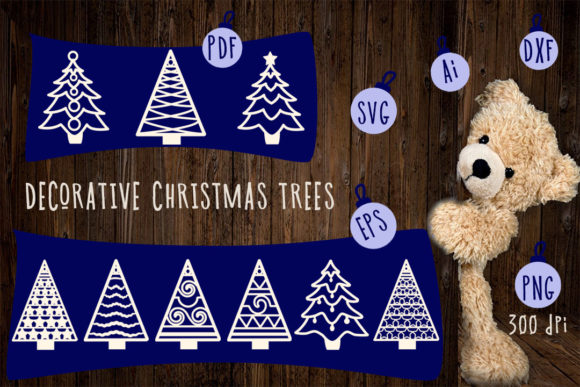
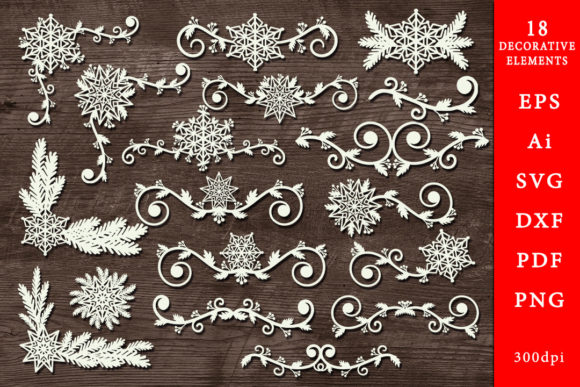
A Pantry Decorative Label represents a specific category of digital design assets intended to enhance the visual organization of kitchen storage. These labels are not merely functional tags; they serve as aesthetic tools that allow homeowners to unify the appearance of bulk items, jars, and containers. The product is typically distributed as a high-resolution digital file, available in multiple formats including SVG, DXF, EPS, and PNG. This versatility makes them accessible to a wide range of users, from professional graphic designers to hobbyists utilizing home crafting machines.
When evaluating whether to incorporate these designs into your home organization strategy, it is essential to understand the mechanics of how they function across different media. The core value proposition lies in the ability to customize the look of a pantry without the cost or commitment of permanent renovation. However, like any DIY solution, there are specific tradeoffs regarding durability, material compatibility, and the technical skills required to execute the project successfully.
Understanding the Format and Compatibility
The primary advantage of a digital Pantry Decorative Label package is its format flexibility. Each file type serves a distinct purpose depending on the cutting machine or printing method employed by the user:
- SVG (Scalable Vector Graphics): This is the standard format for vector-based cutting machines such as Cricut and Silhouette. It allows the software to interpret the lines of the design precisely, enabling clean cuts on vinyl, cardstock, or heat-transfer materials.
- DXF (Drawing Exchange Format): Often used with older versions of cutting software or specific laser engraving setups, this format ensures compatibility with a broader range of hardware.
- EPS (Encapsulated PostScript): Preferred by professional graphic design software like Adobe Illustrator, this format offers high-fidelity scaling for complex designs before they are sent to a cutter.
- PNG (Portable Network Graphics): As a raster image, PNG files are ideal for sublimation printing or standard inkjet printers. They contain transparency support, allowing the label background to disappear when printed on colored surfaces.
Understanding these distinctions is critical for decision-making. A user planning to use a standard home printer will require the PNG format, whereas someone investing in a vinyl cutter will need the SVG or DXF file. Selecting the wrong format can result in pixelated prints or failed cutting paths, leading to wasted materials.
Applications Across Crafting Projects
While the name suggests a singular use case, the utility of a Pantry Decorative Label extends well beyond the kitchen cabinet. The design's scalability and vector nature make it suitable for various DIY and home crafting projects. Evaluating these applications helps determine if the purchase aligns with a user's broader crafting goals.
Sublimation Printing
For those who own a sublimation printer, the PNG version of the label is highly effective. Sublimation involves transferring dye onto polyester-coated items using heat. This process creates a permanent bond where the design becomes part of the substrate rather than sitting on top of it. Consequently, these labels are excellent for creating custom mugs, tumblers, and ceramic tiles. The result is a durable finish that resists washing and fading, making it superior to standard adhesive stickers for frequently handled items.
Vinyl Cutting and T-Shirts
Using the SVG or DXF file with a vinyl cutter allows for the creation of iron-on transfers. While less common for food containers, this application is popular for personalizing t-shirts, tote bags, or aprons. The decorative aspect of the label adds a thematic touch to apparel, turning a simple garment into a personalized gift. However, users must consider the texture and washability of the vinyl used, as lower-quality materials may crack over time.
Card Making and Paper Crafts
The precision of vector files makes them ideal for paper crafts. Users can cut the labels out of cardstock, vellum, or patterned paper to create greeting cards, scrapbook elements, or wedding favors. In this context, the Pantry Decorative Label acts as a stamp or die-cut element, adding a rustic or modern aesthetic to the final piece. This application requires no specialized machinery other than a standard paper trimmer or a basic electronic cutter.
Benefits and Tradeoffs of Digital Labels
Adopting a digital labeling system offers significant benefits, primarily centered around customization and cost-efficiency. Unlike pre-printed commercial labels, which come in fixed sizes and fonts, a digital file allows the user to adjust the dimensions to fit any jar or container perfectly. This flexibility ensures a cohesive look throughout the entire pantry, regardless of the brand or shape of the original packaging.
Furthermore, the initial investment is low. Purchasing a single digital file is often more economical than buying dozens of physical labels, especially when considering the long-term need to replace worn-out stickers. The ability to print on demand means users only produce what they need, reducing waste.
However, there are notable tradeoffs to consider. The most significant hurdle is the learning curve associated with the necessary equipment. Acquiring a cutting machine, heat press, or sublimation printer requires a financial commitment that exceeds the cost of the label file itself. Additionally, the process demands a certain level of technical proficiency. Users must be comfortable preparing files in design software, adjusting settings for different materials, and performing the physical application steps, such as weeding vinyl or positioning transfer sheets.
Another consideration is durability. While sublimation offers permanence, adhesive vinyl applied to glass or plastic jars can eventually peel, particularly in humid environments like kitchens near sinks or dishwashers. If the goal is a purely temporary solution, traditional paper labels might suffice. If the goal is a semi-permanent organizational system, the effort required to apply vinyl or sublimated coatings must be weighed against the expected lifespan of the setup.
Situations Where This Solution Fits Best
A Pantry Decorative Label is a strong fit for individuals who value aesthetics and have the patience to engage in DIY projects. It is particularly suitable for:
- Homeowners seeking a unified look: Those tired of mismatched grocery store packaging will find immediate value in the ability to standardize their storage.
- Craft enthusiasts: Individuals who already own cutting machines or sublimation printers will find the file formats immediately usable without additional equipment costs.
- Gift givers: The versatility of the design allows for the creation of personalized gifts, such as matching mugs and aprons for cooking-themed presents.
- Minimalists: People who prefer clean lines and consistent typography over cluttered, colorful commercial branding will appreciate the customizable nature of these files.
Alternatives and Considerations
Despite the advantages, this approach may not be the right choice for everyone. For users seeking an immediate, no-fuss solution, pre-printed adhesive labels purchased from a retailer may be a better alternative. These require no setup, no electricity, and no technical skills. Similarly, for those who do not wish to invest in expensive machinery, chalkboard paint or dry-erase markers on glass jars offer a reusable, low-cost alternative that does not rely on digital files.
Furthermore, if the primary concern is hygiene and ease of cleaning in a high-moisture environment, some experts suggest that removable adhesive labels may trap moisture or degrade faster than painted or etched surfaces. In such cases, the durability of sublimation or engraved wood/metal tags might be necessary, though this increases the complexity and cost of the project.
Making the Final Decision
To determine if a Pantry Decorative Label aligns with your goals, evaluate your current workflow and resources. Ask yourself if you have the necessary tools to utilize the SVG, DXF, EPS, or PNG formats effectively. Consider the volume of items you need to label; a large pantry justifies the time investment of setting up a cutting machine, whereas labeling a few spice jars might be better served by a quick adhesive solution.
Ultimately, the decision rests on balancing the desire for a customized, professional appearance against the time and equipment required to achieve it. When approached with realistic expectations regarding the technical process, a Pantry Decorative Label serves as a powerful tool for transforming a chaotic kitchen space into a harmonious, organized environment.