Decorative Vintage Scrapbook Old Paper
In an era dominated by pixel-perfect digital interfaces and sterile minimalist designs, there is a distinct, tactile longing for the imperfect. This is where Decorative Vintage Scrapbook Old Paper finds its relevance today. It is not merely a nostalgic nod to the past; it is a strategic design element that bridges the gap between human emotion and digital communication. Whether you are a graphic designer crafting a brand identity or a small business owner creating marketing materials, the texture of aged paper offers a visual anchor that modern screens often lack.
The current creative landscape has shifted away from the cold perfection of vector graphics toward warmth and authenticity. Users are tired of seeing the same polished, generic backgrounds everywhere. They crave content that feels handcrafted, curated, and real. This shift in user expectations has elevated the status of vintage textures from simple aesthetic choices to essential tools for engagement. When a viewer sees a high-quality scan of old paper, their brain registers depth, history, and trustworthiness before they even read a single word.
The Evolution of Digital Textures in Modern Workflows
Why are we paying more attention to these specific textures now? The answer lies in the evolution of our digital consumption habits. As we spend more time on devices, the novelty of "digital" wears off. People are seeking experiences that mimic the physical world because it provides comfort and familiarity. This phenomenon is evident in the surge of popularity for analog-style apps, film photography filters, and, most notably, vintage paper templates.
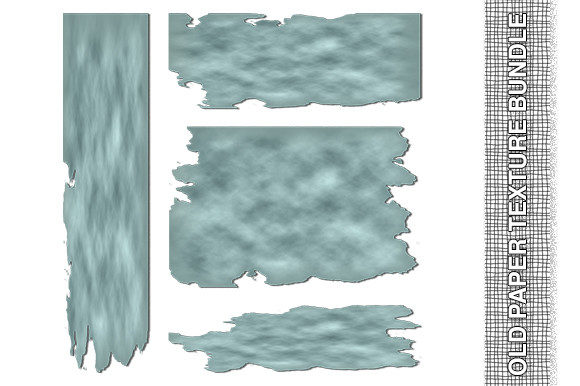
The transition from traditional scrapbooking to digital creation has changed how professionals approach design. In the past, creating a vintage look required actual glue, ink stains, and hours of physical manipulation. Today, the workflow is faster, more flexible, and infinitely more powerful. A Vintage old paper PSD File Decorative vintage scrapbook paper collection creative old blue paper design template allows creators to achieve that same organic feel with a few clicks. This efficiency meets the demands of modern entrepreneurs who need high-quality assets quickly without sacrificing artistic integrity.
This evolution is not just about saving time; it is about expanding creative possibilities. The ability to layer textures digitally means that a single image can be adapted for multiple contexts instantly. A background designed for a wedding invitation can be repurposed for a product packaging mockup or a blog header with minimal effort. This versatility is crucial for freelancers and agencies operating in fast-paced environments where adaptability is key to success.
Understanding the Technical Advantages of Layered Files
When selecting resources for your projects, the file format matters as much as the visual style. High-quality assets like a Vintage old paper PSD File offer significant advantages over flat images. The core feature that sets professional collections apart is the fully layered structure. In a standard JPEG or PNG, every element is flattened into a single plane. If you want to change the color of the blue hue or remove a coffee stain, you cannot do so without starting over.
However, a fully layered PSD file grants you total control. You can manipulate individual elements—adjusting the opacity of the aging effects, changing the saturation of the old blue paper tones, or isolating specific decorative borders. This level of customization is essential for maintaining brand consistency. For instance, if a company's branding guidelines require a specific shade of navy, a designer can tweak the blue layers within the template to match perfectly while retaining the intricate grain and wear patterns of the vintage paper.
- RGB Color: Ensures vibrant, screen-optimized colors that translate accurately across monitors and mobile devices.
- Fully Layered: Allows for non-destructive editing, giving you the freedom to experiment without ruining the original design.
- PSD File: The industry standard for Adobe Photoshop, offering maximum compatibility for professional workflows.
- PDF File: Ideal for print-ready documents and easy sharing with clients who may not have access to design software.
- PNG File: Perfect for web use, social media posts, and presentations where transparency might be required.
The inclusion of multiple formats (PSD, PDF, PNG) ensures that these backgrounds are perfect for a variety of projects, regardless of the medium. Whether you are preparing a high-resolution print brochure or a quick Instagram story, having the right file type at your disposal streamlines the entire production process.
Practical Applications for Professionals and Hobbyists
The utility of Decorative Vintage Scrapbook Old Paper extends far beyond simple decoration. For educators, these textures can transform boring lecture slides into engaging visual stories that capture student attention. Imagine a history presentation where the text sits atop a textured, aged map or a faded letter; the context becomes immediate and immersive. Similarly, for bloggers and content creators, using these backgrounds can significantly increase the time readers spend on a page. The visual break provided by a rich texture prevents eye fatigue and adds a sense of premium quality to free content.
For entrepreneurs and business owners, the application is equally strategic. Marketing materials that utilize a creative old blue paper design template stand out in crowded marketplaces. While competitors rely on stark white backgrounds and bold sans-serif fonts, a vintage approach suggests heritage, reliability, and craftsmanship. This is particularly effective for brands selling artisanal goods, books, coffee, or anything with a story to tell. The texture does the heavy lifting of establishing a mood before the customer reads the copy.
Even hobbyists benefit from this technology. Digital scrapbooking has become a massive community where users preserve memories without the mess of physical albums. With these files, one can create digital journals that look exactly like cherished family heirlooms. The ability to add personal photos onto the Vintage old paper PSD File creates a seamless blend of past and present, allowing users to curate their own digital archives that are both beautiful and durable.
Bridging the Gap Between Tradition and Innovation
The integration of vintage aesthetics into modern digital workflows represents a broader cultural conversation about value and authenticity. We live in a world of mass production, yet we desire items that feel unique and human-made. These design templates satisfy that craving by providing a foundation that looks handcrafted but is delivered through cutting-edge technology. The old blue paper design, for example, evokes the feeling of an old nautical logbook or a classic novel, instantly transporting the viewer to a different time and place.
It is important to note that using these textures requires a thoughtful approach. The goal is enhancement, not distraction. Overusing complex patterns can clutter a design and make text difficult to read. The best results come from balancing the richness of the background with clean, legible typography. By treating the paper texture as a canvas rather than the main subject, designers can create compositions that are both visually striking and functionally effective.
As we move forward, the demand for authentic, high-quality design assets will only grow. Consumers are becoming more discerning, and the line between digital and physical continues to blur. Those who understand how to leverage resources like Decorative Vintage Scrapbook Old Paper will find themselves ahead of the curve. They will be able to produce work that resonates on a deeper emotional level, connecting with audiences in ways that purely digital assets simply cannot.
In conclusion, the value of these backgrounds lies in their versatility and their ability to evoke emotion. Whether you are a professional looking to elevate a client's brand, an educator seeking to engage students, or a hobbyist preserving memories, these assets provide the tools necessary to create something timeless. By utilizing the features of RGB color, fully layered structures, and multi-format support, you ensure that your projects are not just seen, but felt. The future of design is not just about what is new, but about how we can bring the best of the past into our digital present.