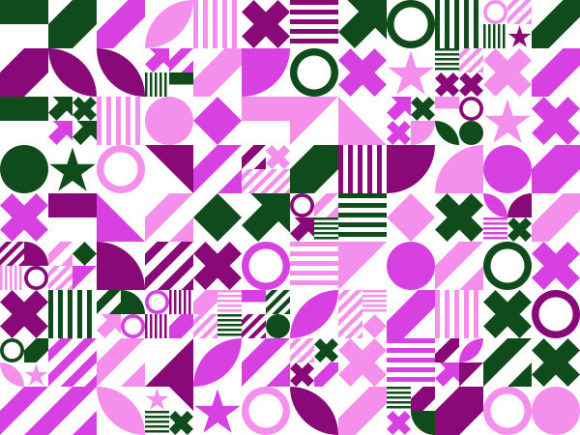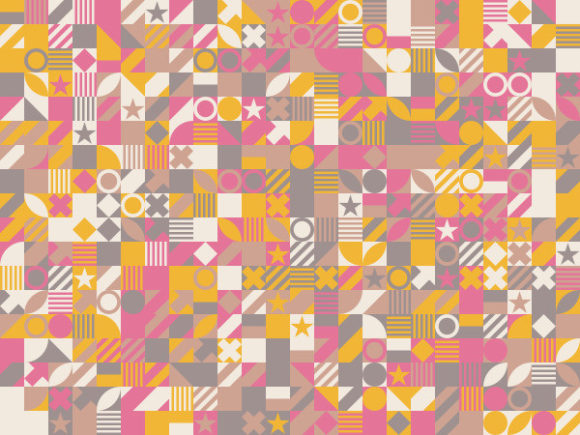
Decorative Creative Wallpaper for Modern Design
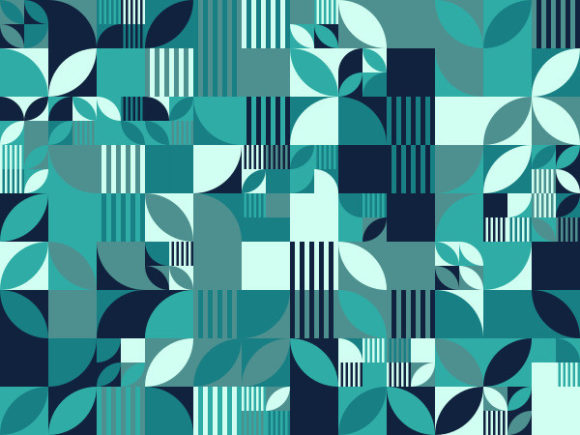
In a digital landscape saturated with generic templates, Decorative Creative Wallpaper offers the distinct advantage of elevating visual communication through sophisticated, timeless aesthetics that blend art deco elegance with modern minimalism.
For professional designers and brand strategists, background textures are no longer just fillers; they are foundational elements that establish mood, reinforce brand identity, and guide user attention. These digital papers merge the intricate patterns of vintage eras with the clean lines of contemporary graphic design, creating a versatile resource suitable for corporate identities, invitations, stationery, apparel, packaging, and web design. By integrating these assets into your workflow, you ensure that every project possesses a unique character that resonates with audiences on both an emotional and functional level.
The Strategic Value of High-Quality Backgrounds
Visual hierarchy is the backbone of effective design. A well-crafted background sets the stage for typography and imagery, ensuring that the core message remains clear while adding depth to the composition. When you utilize Decorative Creative Wallpaper, you are not merely selecting a texture; you are choosing a design language that speaks to specific aesthetic goals. Whether it is the geometric precision of Art Deco or the organic flow of mid-century modernism, these styles provide a structured yet creative canvas that enhances readability and engagement.
These files are included as easily editable SVG formats, which is a critical feature for any serious designer. Unlike raster images that pixelate when scaled, Scalable Vector Graphics maintain perfect clarity at any size. This scalability allows for seamless adaptation across diverse media, from massive outdoor billboards to tiny mobile app icons, without losing a single line of detail.
Transforming Brand Identity and Visual Communication
A cohesive brand identity relies on consistency across all touchpoints. Using custom backgrounds helps unify disparate marketing materials, creating a recognizable visual thread that connects your logo design, social media graphics, and editorial layouts. When clients or users encounter your work, the consistent use of these premium design assets signals professionalism and attention to detail.
- Corporate Identity: Establish a strong first impression on business cards, letterheads, and presentation decks.
- Packaging Design: Add tactile depth to product boxes and labels, making them stand out on crowded retail shelves.
- Apparel and Merchandise: Create unique fabric prints and merchandise that reflect a distinct brand story.
Practical Applications Across Digital and Print Media
The versatility of these creative assets extends far beyond simple wallpapers. They serve as dynamic tools in various stages of the design process, enhancing everything from user experience (UX) to print production.
Web Design and UI/UX
In web design, subtle patterns can break up large blocks of white space, guiding the eye toward call-to-action buttons and key content areas. For UI design, these textures add a layer of sophistication to dashboards and landing pages, improving the overall user experience without distracting from functionality.
Social Media and Digital Marketing
On platforms like Instagram and LinkedIn, where visual impact is paramount, high-quality backgrounds differentiate your content from the feed. They provide a polished look that increases click-through rates and engagement, turning passive scrollers into active participants.
Editorial and Print Design
Magazines, brochures, and annual reports benefit immensely from textured backgrounds that add warmth and character. When paired with thoughtful typography, these elements create a harmonious balance between form and function, resulting in publications that feel curated and intentional.
Selecting and Utilizing Design Elements Effectively
To maximize the impact of these resources, designers must consider factors such as color palette compatibility, contrast ratios, and visual weight. The goal is to enhance the content, not overwhelm it. Always evaluate how the pattern interacts with your chosen typeface; if the wallpaper is too busy, opt for bolder fonts or increased spacing to maintain legibility.
- Check Scalability: Ensure the SVG file resolves crisply at both micro and macro scales before finalizing the layout.
- Test Color Variations: Adjust the hue and saturation to match your specific brand guidelines or campaign themes.
- Maintain Consistency: Use the same style family across different projects to build a cohesive visual system.
Ultimately, the choice of background defines the tone of your creative project. By leveraging Decorative Creative Wallpaper, you empower yourself to create designs that are not only visually striking but also strategically sound. In a world where attention is scarce, investing in quality creative assets ensures that your work stands out, communicates clearly, and leaves a lasting impression on your audience.