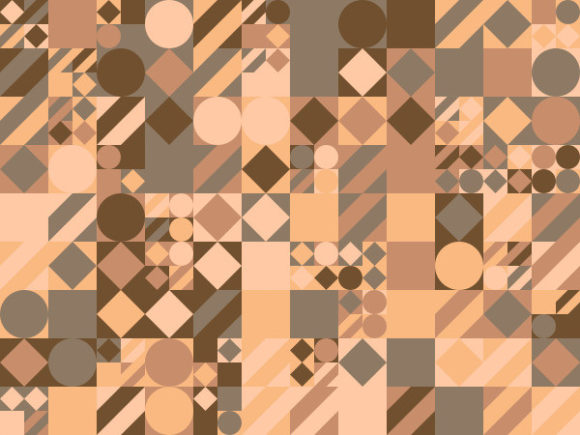
Decorative Boomerang Pattern: A Comprehensive Evaluation
In the realm of digital design, finding a visual element that bridges the gap between historical elegance and modern utility is often a challenge. The Decorative Boomerang Pattern represents a specific intersection of geometric abstraction and stylistic heritage. This asset is not merely a repeating background; it is a versatile digital tool designed to integrate seamlessly into diverse creative projects. By combining the sharp angles of art deco with the clean lines of modernism, this pattern offers a timeless aesthetic that appeals to designers seeking structure without sacrificing visual interest.
When evaluating graphic assets for a project, professionals must consider more than just the visual appeal. They must assess scalability, editability, and the specific brand narrative the design supports. The inclusion of an SVG file in this package fundamentally changes how a designer interacts with the pattern. Unlike raster images, which lose quality when enlarged, the vector-based nature of the Decorative Boomerang Pattern allows for infinite scaling. This characteristic makes it a robust choice for applications ranging from small mobile icons to massive architectural signage.
Understanding the Design Aesthetic
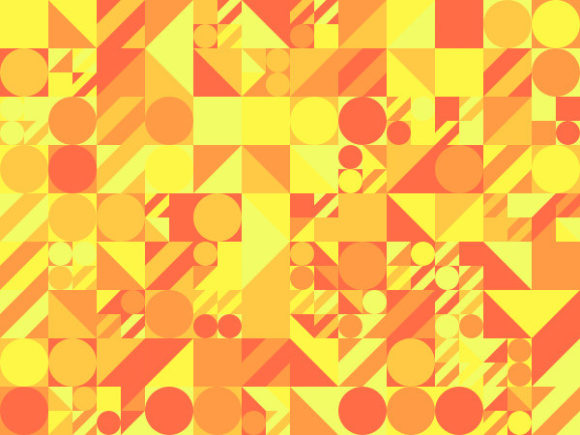
The core identity of this pattern lies in its geometric composition. Boomerangs are characterized by their V-shapes and angular trajectories. When arranged in a decorative sequence, these shapes create a sense of rhythm and movement across a surface. The design philosophy behind this asset draws heavily from the Art Deco era, known for its emphasis on symmetry, luxury, and bold geometry. However, it also incorporates elements of mid-century modernism and contemporary minimalism.
This blend of styles ensures that the pattern does not feel dated or overly trendy. Instead, it occupies a neutral ground where vintage charm meets current design trends. For instance, the sharp points can convey precision and forward momentum, making it suitable for corporate environments. Conversely, when rendered in softer color palettes, the same geometric structure can evoke a sense of nostalgia and warmth, ideal for wedding invitations or boutique packaging.
Why Designers Seek Geometric Versatility
There are several compelling reasons why a professional might select this specific pattern over other decorative options. The primary driver is versatility. In a single project, a designer may need to apply a texture to a business card, a website background, and a product label. Using a unified Decorative Boomerang Pattern across these mediums creates a cohesive brand identity. The consistency reinforces recognition, a critical factor in marketing and corporate communications.
Furthermore, the pattern's structural simplicity allows for easy customization. Because the file is provided as an easily editable SVG, users can manipulate individual elements. This capability enables the adjustment of stroke weights, fill colors, and spacing without degrading the image quality. Such flexibility is essential for brands that require strict adherence to specific color guidelines or need to adapt a design for different cultural contexts.
Practical Applications and Use Cases
The utility of this digital paper extends across multiple industries. Its structured nature makes it particularly effective in scenarios requiring clarity and organization.
- Corporate Identity: The pattern works well for letterheads, presentation slides, and website backgrounds where a subtle texture is needed to add depth without distracting from the content.
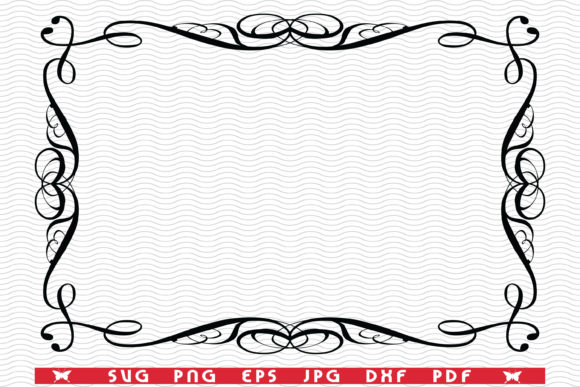
- Invitations and Stationery: For events like weddings, galas, or formal announcements, the boomerang motif adds a touch of sophistication. It provides a frame or border that elevates the perceived value of the printed material.
- Apparel and Textiles: When converted for print-on-demand services, the scalable nature of the SVG ensures that the design remains crisp on t-shirts, tote bags, and scarves regardless of the fabric size.
- Packaging Design: Consumer goods often benefit from the visual rhythm of geometric patterns. The Decorative Boomerang Pattern can serve as a background for product boxes, creating a distinctive shelf presence.
- Web Design: In digital interfaces, this pattern can be used as a hero section background or a divider element. Its vector format ensures fast loading times and perfect rendering on high-resolution displays.
Benefits and Technical Considerations
Selecting the right asset involves weighing benefits against potential tradeoffs. The most significant advantage of this package is the SVG file included. This format is the industry standard for web graphics because it relies on mathematical equations rather than pixels. Consequently, the file size is typically small, leading to faster page load speeds—a crucial metric for SEO and user experience. Additionally, the ability to scale to any size means that one purchase can serve multiple future projects, reducing long-term costs.
However, there are considerations to keep in mind. While the pattern is highly adaptable, its strong geometric nature may not suit every brand personality. Brands aiming for an organic, hand-drawn, or chaotic aesthetic might find the rigid symmetry of the boomerang motif too restrictive. Furthermore, while the SVG is editable, users must have access to vector editing software such as Adobe Illustrator, Affinity Designer, or free alternatives like Inkscape to fully utilize the file's potential.
Another aspect to evaluate is the complexity of the pattern. If the boomerang arrangement is dense, it can create visual noise when placed behind text. To mitigate this, designers should consider using the pattern as a backdrop with reduced opacity or as a border element rather than a full-page texture. Proper contrast management is essential to ensure readability and accessibility standards are met.
Evaluating Alternatives and Decision Factors
While the Decorative Boomerang Pattern is a strong candidate for many projects, it is not the only solution available. Designers must compare this asset against other options based on their specific goals.
If the objective is to create a soft, romantic atmosphere, floral watercolor textures or abstract brush strokes might be more appropriate than a hard-edged geometric design. Similarly, if the project requires a futuristic or tech-oriented look, circuit board patterns or data visualization grids could offer a better thematic fit. The boomerang pattern excels in bridging classic and modern styles, but it may lack the specificity required for niche themes like cyberpunk or rustic farmhouse aesthetics.
When making a decision, ask the following questions:
- Does the project require scalability? If the design will appear on both a favicon and a billboard, the SVG format of this pattern is superior to raster alternatives.
- Is brand consistency a priority? If you need a recurring motif across various media, this pattern offers the necessary cohesion.
- What is the desired emotional tone? Determine if the sharp, dynamic energy of the boomerang aligns with the message you wish to convey.
Determining Alignment with Goals
Ultimately, the success of incorporating the Decorative Boomerang Pattern depends on how well it serves the communication goals of the project. It is a tool that demands intentionality. It should not be used simply because it looks interesting; it should be used because its structural properties enhance the content.
For professionals looking to establish a brand that values tradition yet embraces innovation, this pattern offers a balanced approach. It avoids the pitfalls of being too old-fashioned while steering clear of fleeting design fads. The combination of art deco influences with modernist principles creates a visual language that is both authoritative and approachable.
By understanding the technical advantages of the SVG format and the stylistic implications of the geometric layout, designers can make informed choices. Whether applied to a corporate rebranding initiative or a personal stationery set, the Decorative Boomerang Pattern provides a reliable foundation for high-quality design work. It empowers creators to produce scalable, editable, and aesthetically pleasing results that stand the test of time.